

Introduction: Discovering Marrakech’s Stone Desert Paradise – Agafay Desert Cycling
Agafay Desert Cycling – Marrakech stands as one of Morocco’s most mesmerizing imperial cities, a destination where ancient history collides with vibrant contemporary culture, where the call to prayer echoes across terracotta rooftops, and where the intoxicating blend of spices, textiles, and street food creates an atmosphere unlike anywhere else on earth. The medina’s winding souks overflow with handcrafted treasures, riads hide behind modest doorways revealing stunning interior courtyards, and the legendary Jemaa el-Fnaa square pulsates with storytellers, musicians, and snake charmers who have entertained crowds for centuries. Yet despite all this urban magnificence, many travelers find themselves craving a counterpoint to the city’s relentless energy—a place where silence replaces chaos, where vast horizons offer visual respite from narrow alleyways, and where the raw beauty of nature provides perspective on human civilization. This is precisely what the Agafay Desert delivers, and experiencing this extraordinary landscape by bicycle has emerged as one of the most rewarding and sustainable adventures available to visitors seeking authentic encounters with Morocco’s diverse geography.
Located just thirty to forty kilometers southwest of Marrakech’s bustling city center, the Agafay Desert represents a geological wonder that surprises first-time visitors who typically associate Morocco with the towering sand dunes of the Sahara. Unlike the Erg Chebbi or Erg Chigaga dune fields—the Erg (sand desert) that defines the classic desert experience in southeastern Morocco—Agafay is what geologists call a stone desert or hammada. It is a vast expanse of rolling rocky hills, dried earth, and mineral-rich terrain that creates an otherworldly landscape of beige, ochre, and terracotta hues stretching toward the dramatic Atlas Mountains. This unique environment offers exceptional cycling opportunities precisely because it combines accessible distance from Marrakech, varied terrain suitable for different skill levels, spectacular photographic vistas, and the profound sense of wilderness and solitude that desert environments uniquely provide. A cycling tour through the Agafay Desert allows adventurers to experience Morocco’s natural beauty in its most raw and unfiltered form, pedaling through landscapes that seem to belong to another planet while remaining close enough to Marrakech for convenient half-day or full-day excursions. Agafay Desert Activities
The appeal of exploring Agafay by bicycle rather than by vehicle or camel extends beyond mere physical activity. Cycling represents the perfect speed for desert appreciation—fast enough to cover significant distances and experience the landscape’s scale, yet slow enough to notice subtle details like the resilient vegetation that clings to life in this harsh environment, the geological formations that tell stories of ancient seas and tectonic movements, or the occasional Berber shepherd guiding a small flock across seemingly barren terrain. The mechanical simplicity of bicycle travel creates an intimate connection between rider and landscape, where every uphill effort is rewarded with exhilarating descents, where the silence broken only by breathing and spinning wheels allows for profound meditation, and where the physical challenge of pedaling through desert conditions generates a sense of accomplishment that passive sightseeing cannot match. Moreover, cycling through Agafay is an inherently sustainable form of tourism that leaves no carbon footprint, produces no noise pollution, and allows travelers to pass through this fragile ecosystem with minimal environmental impact while supporting local guides and communities who facilitate these authentic adventures. This intimate, eco-friendly approach is central to the values of modern Moroccan tourism and offers a truly unique perspective on the country’s natural heartland. Agafay Desert
Why Agafay Desert Cycling Tours Stand Apart: The Hammada Advantage
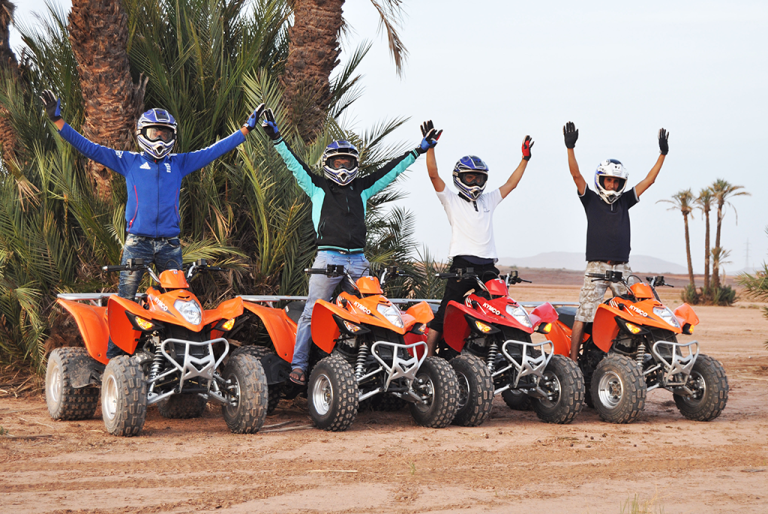
Among the countless activities available to Marrakech visitors—from cooking classes and hammam experiences to hot air balloon rides and quad biking adventures—cycling through the Agafay Desert has gained recognition as something truly special. It is an experience that combines physical challenge, natural beauty, cultural immersion, and personal reflection in ways that few other activities can match. The reasons for this distinction are numerous and worth exploring in detail for anyone considering dedicating precious vacation time to pedaling through a Moroccan stone desert.
The Austere, Captivating Beauty of the Hammada
First and foremost, the Agafay landscape itself possesses an austere beauty that captivates photographers, nature enthusiasts, and anyone who appreciates geological drama. The desert’s rolling hills create an ever-changing topography where each ridge reveals new perspectives, where shadows and light play across textured surfaces throughout the day, and where the absence of vegetation allows the earth’s bones to show through in spectacular fashion. This is the power of the hammada: a landscape sculpted by ancient floods, wind erosion, and tectonic forces, where the stones—rounded by time and water—bear witness to geological eons.
The color palette shifts subtly depending on time of day and season—warm golden tones dominate during sunrise and sunset, while midday light brings out the desert’s more muted beiges and grays. The texture underfoot is a mix of packed earth, small, polished pebbles (or reg), and larger, embedded rocks, demanding attention and skill from the rider. In the background, the majestic High Atlas Mountains rise dramatically, their snow-capped peaks (especially from late autumn to late spring) providing a stunning, almost unbelievable contrast to the arid foreground and serving as a constant reminder of the geographical diversity packed into this relatively small region of Morocco. This combination of desert foreground and mountain backdrop creates compositions that seem almost too perfect to be real, making Agafay a paradise for photography enthusiasts who can capture images that rival anything found in more famous desert destinations. The quietude here amplifies the visual spectacle, allowing for a deep, sensory engagement with the landscape.
Unmatched Accessibility: A Desert Day Trip from Marrakech
The accessibility of Agafay represents another significant advantage that distinguishes it from Morocco’s more remote desert regions. While visiting the Sahara’s famous Erg Chebbi or Erg Chigaga dunes requires multiple days of travel from Marrakech—typically involving long drives through mountain passes and overnight stays in desert camps—Agafay can be reached in approximately forty-five minutes to an hour by vehicle. This makes it feasible to enjoy a substantial desert cycling experience and return to your Marrakech accommodations the same day.
This convenience is invaluable for travelers operating on limited schedules, for families with young children who may not be ready for multi-day desert expeditions, or for anyone who wants to sample desert cycling before committing to more ambitious adventures. The proximity to Marrakech also means that cyclists who encounter unexpected challenges—equipment issues, weather changes, or simple fatigue—can easily return to city amenities rather than being stranded far from assistance and comfort. This ease of access makes it the perfect day-trip escape and a cornerstone of any active Marrakech itinerary. For those who do wish to stay overnight, there are now stunning luxury glamping experiences that offer incredible stargazing opportunities, making it a spectacular two-day option as well.
Tailored Terrain: A Cyclist’s Playground
The cycling terrain in Agafay offers remarkable variety despite the desert’s seemingly uniform appearance from a distance. Routes can be customized to accommodate different fitness levels and cycling experience, ranging from:
- Relatively flat circuits that follow dried riverbeds (wadis) and valley floors.
- More challenging itineraries that incorporate steep, rolling hills and rocky sections requiring technical bike handling skills.
This flexibility means that casual cyclists interested in leisurely exploration can enjoy Agafay just as much as experienced mountain bikers seeking adrenaline and challenge. The desert’s trails include everything from smooth dirt tracks suitable for standard touring bikes to rocky single-track paths that demand full-suspension mountain bikes and confident handling. Tour operators typically assess clients’ abilities beforehand and design routes accordingly, ensuring that everyone experiences appropriate challenge without overwhelming anyone with terrain beyond their comfort zone. The sheer variety ensures that a second, third, or even fourth trip can offer an entirely new experience.
The Rich Human Dimension: Berber Cultural Encounters
Cultural encounters add another dimension to Agafay cycling tours that elevate them beyond simple outdoor recreation. Despite its seemingly desolate appearance, the Agafay Desert is home to scattered Berber communities (known to themselves as Imazighen, or “free people”) who have adapted to this harsh environment over centuries. They have developed specialized knowledge about water sources, seasonal grazing patterns, and survival strategies that allow human and animal life to persist where conditions seem utterly inhospitable.
Cycling tours often include stops at these remote settlements where visitors can meet families who maintain traditional lifestyles, learn about their daily challenges and celebrations, and perhaps share the traditional Moroccan mint tea (often called “Berber Whiskey”) in a modest home constructed from local earth and stone (adobe or pisé). These encounters provide invaluable context for understanding Morocco beyond its tourist-oriented cities and historical monuments, revealing the resilience and resourcefulness of communities who choose to preserve ancestral ways of life despite the pressures of modernization. The guides who lead cycling tours typically come from these communities themselves, bringing insider knowledge and personal connections that transform abstract landscapes into places rich with human stories and cultural significance. These interactions form the soul of the Agafay experience.
Essential Highlights of an Agafay Desert Cycling Experience
When you commit to a cycling adventure through the Agafay Desert, you’re signing up for a multi-layered experience that engages all your senses and challenges both body and mind in profoundly rewarding ways. Understanding what to expect—the key highlights that make this adventure memorable—helps you prepare appropriately and ensures you don’t overlook subtle aspects that less informed travelers might miss.
The Magic of Timing: Sunrise or Sunset Rides
The journey typically begins with pickup from your Marrakech accommodation in the early morning or late afternoon, depending on which part of the day you’ve chosen for your cycling adventure.
- Morning Departures: Offer cooler temperatures and the possibility of witnessing sunrise over the desert—a magical time when horizontal light paints the landscape in warm golds and creates long shadows that emphasize every contour and texture. This is often preferred during the hot summer months.
- Afternoon Departures: Position you to experience sunset’s equally spectacular light show and the unique quality of desert twilight when colors deepen and the temperature begins its dramatic nighttime descent. The soft, golden hour light is perfect for photography.
The drive from Marrakech to the Agafay starting point provides its own entertainment as you watch the city gradually fade behind you and the landscape transform from urban density to suburban sprawl, to agricultural fields, and finally to the rocky desert that seems to emerge suddenly once you cross an invisible threshold—often marked by a noticeable decline in human infrastructure and a sudden widening of the horizon.
Preparation and Orientation: Setting the Stage
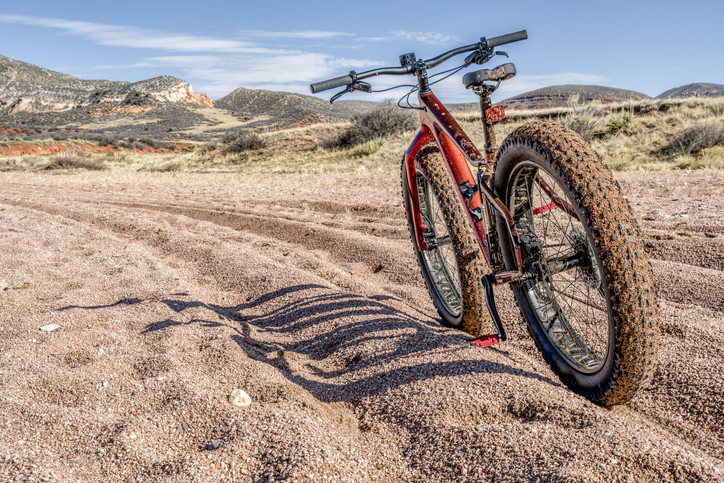
Arriving at the cycling starting point, often near a central point like the Takerkoust reservoir (which separates the green lands from the hammada), you’ll receive your bicycle from the tour operator’s support vehicle, along with safety equipment including helmets and any additional gear required for your chosen route. Reputable operators provide quality mountain bikes (MTBs) with appropriate gearing for desert terrain, properly inflated tires with good tread for traction on loose surfaces, and comfortable saddles adjusted to your height.
Your guide will also explain the day’s route, pointing out landmarks you’ll encounter and setting expectations for distance, elevation changes, and scheduled stops. This preparation phase is crucial—take the time to test your bike, make any necessary adjustments, and ask questions about anything that concerns you before setting off into the desert.
The Sensory Transformation: Finding Desert Silence
Once you begin pedaling, the transformation is immediate and profound. Within minutes, the sounds of civilization fade completely, replaced by the crunch of tires on gravel, the rhythm of your breathing, and the wind moving across open spaces. This sonic simplicity comes as a shock if you’ve spent several days immersed in Marrakech’s constant sensory bombardment, and many cyclists describe the initial moments of desert riding as almost overwhelming in their quietness.
Your senses recalibrate quickly, however, and you begin noticing details that would be invisible amid urban distractions:
- The particular quality of light at this latitude.
- The surprising variety of rocks and minerals underfoot.
- The occasional resilient plant (like the Argan tree or acacia) that has found moisture in an underground source.
- The tracks of animals—perhaps a desert fox (Fennec) or a small rodent—that crossed your path during the night.
This is a deep form of meditative cycling, where the focus required for navigating the terrain merges with the tranquility of the environment.
The Thrill of Varied Terrain and Panoramic Views
The physical experience of cycling through Agafay varies dramatically depending on your chosen route.
- Easier Paths: Following valley floors and dried wadis offer relatively smooth riding where you can maintain steady momentum, allowing you to cover significant distances while conserving energy and enjoying sustained views of the surrounding landscape. These gentler routes are ideal for building confidence, for families cycling with children, or for anyone who prioritizes distance and photography over technical challenge.
- More Difficult Routes: Incorporate the desert’s natural topography, climbing and descending hills that test your fitness and bike handling skills while rewarding effort with panoramic viewpoints that reveal the Agafay’s full scope and majesty. The satisfaction of cresting a challenging climb and seeing the Atlas Mountains arrayed before you, or of navigating a technical descent that demands focus and skill, adds layers of accomplishment that make the experience memorable long after sore muscles have recovered.
The Oasis of Lunch and Reflection
For those opting for full-day tours, lunch typically occurs at a scenic location where your support team has prepared a traditional Moroccan meal—perhaps a tagine cooked over coals, fresh salads, bread, and fruit, served on carpets spread beneath a shelter erected for shade. This extended break in the middle of the day allows for rest, digestion, and conversation with fellow cyclists about the morning’s experiences. The slower pace of a leisurely desert lunch contrasts beautifully with the physical activity before and after, reminding you that cycling tours are as much about savoring moments as about covering kilometers. Your guide will often use this time to share more about Berber traditions, local proverbs, and the delicate ecosystem.
Planning Your Agafay Desert Cycling Adventure: Practical Considerations
Transforming the dream of cycling through Morocco’s stone desert into reality requires practical planning that addresses logistics, preparation, safety, and expectations. Understanding these operational details ensures your adventure proceeds smoothly and allows you to focus on enjoyment rather than problem-solving during the experience itself.
Selecting Your Tour Operator: The Importance of Expertise
Selecting the right tour operator represents your most important decision, as the quality of your experience depends heavily on the professionalism, knowledge, and equipment provided by the company you choose.
Combining Agafay Cycling with Other Marrakech Experiences
Many travelers discover that cycling through the Agafay Desert becomes the highlight of their Marrakech visit, providing physical challenge, natural beauty, and cultural immersion that complement the city’s historical and cultural attractions. Understanding how desert cycling fits into a broader Marrakech itinerary helps you plan a balanced trip that addresses diverse interests while avoiding exhaustion from overscheduling.
Thematic Pairing for a Balanced Itinerary
- Nature & Oasis Contrast: Combine Agafay cycling with visits to Marrakech’s historic gardens like the Jardin Majorelle [Internal Link 1: Guide to Visiting Jardin Majorelle] or Jardin Menara. This illuminates the stark contrast between cultivated oases and wild desert landscapes, both of which depend on sophisticated water management in arid conditions.
- Active & Relaxation Balance: Pair desert cycling with a traditional hammam experience. Vigorous outdoor exercise followed by therapeutic bathing and massage soothes muscles and prepares you for continued exploration.
- Desert to Souk: Dedicate one day to the Agafay, and the following day to a guided tour of the medina’s souks [Internal Link 2: Mastering the Souks: A Shopping Guide], allowing you to see the source of many handcrafted goods you may have seen being used in the Berber villages.
Marrakech’s Unmissable Icon: Jemaa el-Fnaa Square
No trip to Marrakech is complete without an immersion into the legendary Jemaa el-Fnaa, the main square and marketplace in the medina. While the Agafay offers tranquility, Jemaa el-Fnaa offers the full, intoxicating roar of Moroccan life. It is the cultural heart of the city and a UNESCO Masterpiece of the Oral and Intangible Heritage of Humanity.
Jemaa el-Fnaa: Day to Night Transformation
By Day: The square is relatively calm, hosting orange juice stalls, water sellers in traditional dress, and a few storytellers and snake charmers. It serves as a large, dusty open space with a steady stream of traffic from the souks.
By Sunset and Night: The square undergoes a spectacular, almost theatrical transformation. As the sun dips below the horizon, hundreds of food stalls (gargotes) spring up in organized rows, each marked by a number and a plume of aromatic smoke. Storytellers (known as hlayqi), musicians, Gnawa dancers, acrobats, and street performers fill the space. The roar of the crowd, the music, the aromas of grilling meat and spices—it’s an overwhelming, joyous sensory explosion.
Must-Try Local Food: The Famous Street Food
The most iconic and delicious food experience in the square is sampling the renowned street food. While the entire square is famous, the quintessential Marrakech dish you must try is Tanjia Marrakchia.
- Tanjia Marrakchia: This is the specialty of Marrakech. It is a slow-cooked meat dish (usually lamb or beef) prepared in an earthenware urn (the tanjia). Unlike the tagine, which is often cooked by women, the tanjia is traditionally prepared and consumed by men. The ingredients—meat, saffron, cumin, preserved lemon, and a generous amount of smen (aged, clarified butter)—are sealed inside the pot. The tanjia is then taken to the public oven (ferran) and placed among the hot ashes or embers for upwards of 8 hours. The result is incredibly tender, falling-off-the-bone meat, rich in flavor. Having a tanjia from one of the bustling food stalls in Jemaa el-Fnaa is a culinary adventure that perfectly complements the rugged, authentic experience of the Agafay Desert.
- Snail Soup (Babbouche): Another must-try experience is the traditional hot snail soup, served from large, steaming vats. It’s a comforting, savory broth famous for its herbal, medicinal qualities.
Spending an evening in Jemaa el-Fnaa offers a complete, vivid contrast to the solitude and nature experienced during your Agafay cycle. It is the full spectrum of Moroccan life, from wild nature to vibrant human energy.
Deeper Dive: Sustainable Tourism and Future-Proofing Agafay
As the Agafay Desert grows in popularity, the principles of sustainable tourism become more important than ever. Reputable cycling operators actively engage in practices that ensure the longevity of both the environment and the local Berber economy.
The Economic Impact on Berber Communities
By choosing a cycling tour, you are directly contributing to a sustainable local economy. Tour operators who partner with local Berber guides, use vehicles and drivers from the nearby villages, and source meals and hospitality services from the communities ensure that tourism revenue stays where it is most needed. This provides an economic alternative to traditional, often difficult, activities like pastoral herding, helping communities maintain their heritage while gaining modern income. Look for operators who reinvest a percentage of profits into local infrastructure, such as water collection or school supplies
The Challenge of Water Scarcity
The Agafay’s geology, while beautiful, underscores the profound issue of water scarcity. It is a region with very little surface water, relying on ancient underground aquifers and seasonal rains. Climate change is intensifying the pressure on these resources.
- Awareness: As a tourist, your most important action is awareness. Use water thoughtfully. Appreciate that the clean water provided by your tour operator is a precious commodity.
- Infrastructure: Support tour companies that utilize closed-loop water systems or invest in sustainable water sources for their camps. This is a crucial ethical consideration for responsible tourism.
Geological Uniqueness and Protection
The Agafay Hammada is a valuable scientific site. The rounded stones are not desert sand, but were created by ancient geological events. They are testament to a time when this region was likely underwater or subject to massive ancient flash floods from the Atlas Mountains. The protection of this site—by staying on trails and not collecting rocks—ensures that future generations can appreciate this unique natural history. The proximity to the High Atlas Mountains also means the hammada acts as a crucial transition zone for wildlife and migratory birds.
Logistical and Safety Protocols: A Commitment to Traveler Well-Being
Beyond the excitement of the ride, a professional tour operator ensures a rigorous adherence to safety standards, especially in the challenging desert environment.
The Role of the Support Vehicle
A professional Agafay cycling tour should always include a dedicated 4×4 support vehicle following or shadowing the group. This vehicle is vital for multiple reasons:
- Safety and Evacuation: It provides immediate transport back to Marrakech in case of accident, injury, or severe heat exhaustion.
- Logistics: It carries spare bicycles, essential tools, a complete first aid kit, and most importantly, the bulk of the drinking water.
- Rest Stops: It often serves as the mobile hub for rest stops, snack breaks, and lunch setup.
- Flexibility: It allows cyclists who become overly tired or find the terrain too challenging to stop at any point and ride comfortably to the next destination.
Guide Qualifications: Beyond Navigation
Your guide should be more than just a navigator. The ideal guide for an Agafay cycling tour is:
- Bilingual (or trilingual): Fluent in at least French/English and Darija/Tamazight.
- First Aid Certified: Able to manage basic emergencies, heat-related illness, and minor cycling injuries.
- Mechanically Proficient: Capable of making on-the-spot bike repairs (e.g., fixing a flat tire quickly).
- Culturally Connected: A local from the region who can provide authentic cultural context, facilitating respectful interactions with communities.
Emergency Communication
The desert’s remoteness means cellular service can be intermittent. Reputable tour operators carry satellite communication devices or high-powered, dedicated radios to ensure a continuous line of communication with their base in Marrakech, guaranteeing that help can be summoned quickly if needed.
Conclusion: The Contrast That Defines Marrakech
The city of Marrakech is defined by its contrasts: the enclosed, ancient world of the medina versus the open, modern expanse of the Gueliz new town; the quiet luxury of a hidden riad versus the public spectacle of Jemaa el-Fnaa.
But perhaps the most profound contrast, and the one that defines the adventurer’s experience, is the leap from the urban intensity of the Red City to the profound, silent majesty of the Agafay Stone Desert. Cycling in Agafay is not merely a day trip; it is a palate cleanser for the soul. It is a chance to expend physical energy in a landscape of vast, timeless beauty, allowing you to return to the bustle of Marrakech—and its incredible food and culture—with renewed perspective, energy, and appreciation.
Whether you are a seasoned mountain biker seeking technical challenges beneath the shadow of the Atlas peaks or a leisurely cyclist seeking tranquility and stunning photography, the hammada awaits. It is Marrakech’s quiet, rugged promise—a world of stone and sky, just one hour from your riad door. Book your Agafay adventure today and complete the picture of this magnificent Moroccan destination.