

Introduction
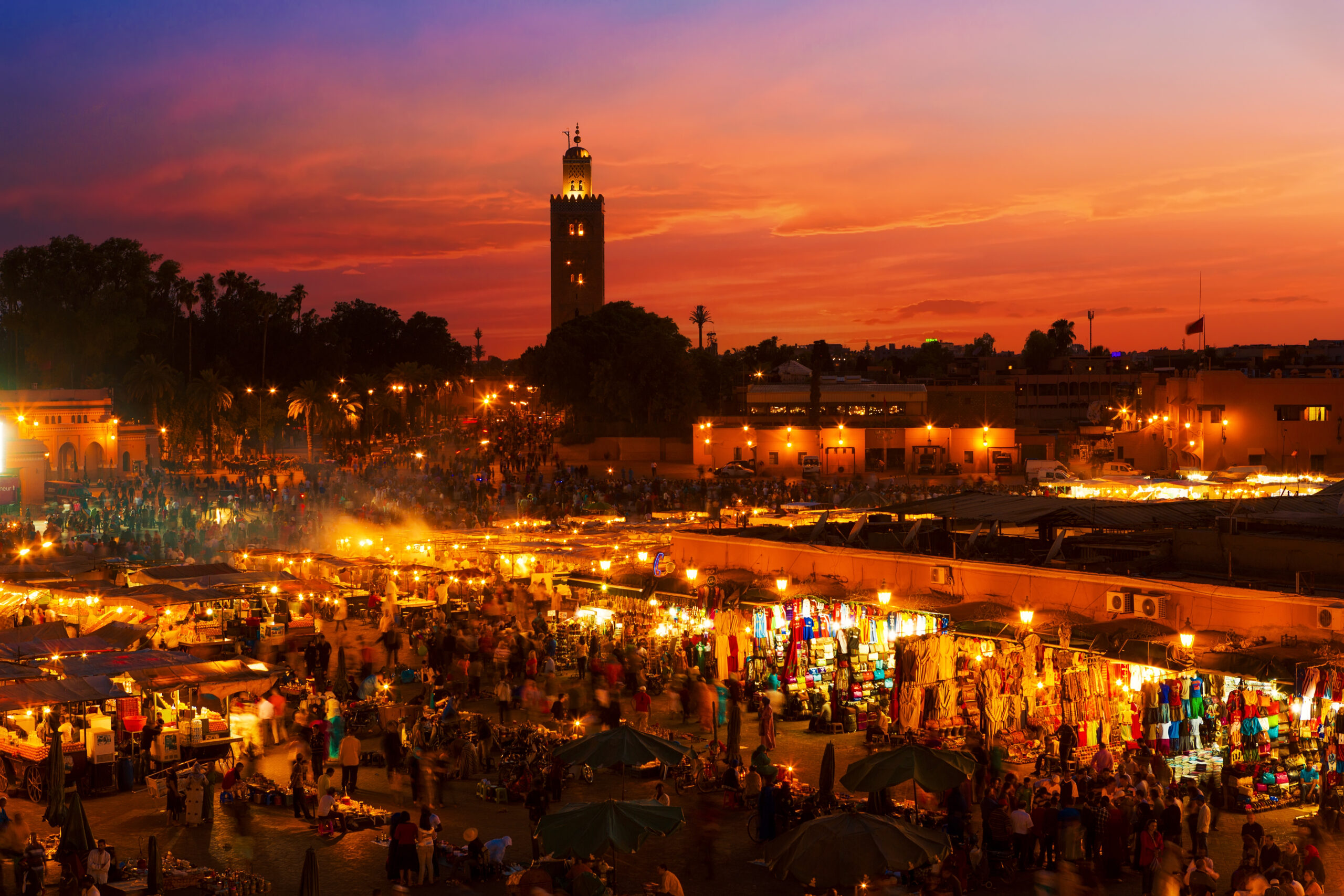
Marrakech, with its bustling medinas, vibrant souks, and historic architecture, is the perfect gateway to Morocco’s most iconic natural wonder: the Sahara Desert. A journey from the city to the vast dunes of the Sahara promises adventure, serenity, and a deep cultural immersion. Planning this trip carefully ensures that travelers experience the desert in comfort, safety, and style while making memories that will last a lifetime.
Choosing Your Desert Destination
Morocco’s Sahara Desert stretches across southeastern Morocco, with Merzouga and Zagora being the most popular gateways. Merzouga is known for its towering golden dunes of Erg Chebbi, offering dramatic sunrise and sunset vistas. Zagora, smaller and more tranquil, is ideal for travelers seeking a more peaceful desert experience. Each location provides unique experiences: Merzouga is perfect for camel trekking and dune-surfing adventures, while Zagora offers historical insights with ancient kasbahs and traditional Berber villages.

Planning Your Journey
Most desert trips from Marrakech can be arranged as either short tours (2-3 days) or extended excursions (up to a week). The journey involves long drives across the High Atlas Mountains, lush valleys, and arid plateaus. A typical route takes travelers via the Tizi n’Tichka pass, offering panoramic views of the mountains and Berber villages along the way. For a comfortable experience, consider booking a private 4×4 transfer or a guided minibus tour. Some travelers also opt for organized packages that include accommodation, meals, and desert activities.
Essential Preparations and Packing
Traveling to the desert requires specific preparations to ensure safety and comfort. Lightweight, breathable clothing, long sleeves for sun protection, a wide-brimmed hat, sunglasses, and sunscreen are essential. Footwear should be sturdy and comfortable for walking on sand and rocky terrain. A small backpack with water, snacks, and a camera is recommended. For overnight stays in desert camps, warm layers are necessary as temperatures can drop significantly at night.
Desert Activities and Experiences
The Sahara offers a variety of experiences that cater to adventure seekers and cultural explorers alike. Camel treks are the quintessential desert activity, allowing travelers to traverse dunes at a gentle pace while absorbing the vastness of the landscape. Quad biking and dune-bashing tours provide high-adrenaline alternatives for thrill-seekers. Hot air balloon rides offer an unparalleled aerial perspective of the dunes, plains, and surrounding Atlas Mountains.
Cultural immersion is another highlight of desert travel. Many tours include visits to Berber villages, where guests can enjoy traditional mint tea, learn about local crafts, and gain insight into desert life. Spending the night in a desert camp under the stars offers a unique opportunity to experience the Sahara’s silence and grandeur, often accompanied by music, storytelling, and traditional cuisine.
Accommodation Options
The Sahara offers a range of accommodations, from luxury desert camps with private tents and en-suite facilities to basic nomadic-style setups for an authentic experience. In Merzouga, eco-lodges and desert riads combine comfort with sustainability, while Zagora provides more traditional kasbah-style accommodations. Booking in advance is recommended, especially during peak tourist seasons from October to April.
Timing and Weather Considerations
The best time to visit the Sahara is during spring (March-May) and autumn (September-November), when temperatures are moderate and the desert is most hospitable. Summers can be extremely hot, while winters bring cold nights and occasional rain. Early morning and late afternoon are ideal for desert activities to avoid the midday heat and capture breathtaking lighting for photography.
Transportation and Logistics
Travelers can reach the desert from Marrakech via road trips lasting 8-12 hours, depending on the destination and stops along the way. Hiring a reliable driver or joining a guided tour ensures safety and smooth logistics. For shorter trips, some companies offer flights to desert-adjacent airports, though this is less common. Ensure that your itinerary accounts for rest stops, meals, and scenic viewpoints to make the long journey enjoyable.
Safety Tips
Safety is paramount when traveling in the Sahara. Always follow the guidance of local guides, especially when riding camels, quads, or exploring dunes. Carry sufficient water to prevent dehydration and protect yourself from sun exposure. Check weather forecasts and travel advisories, and have emergency contact information readily available. Nighttime excursions require caution and preferably professional guidance due to potential navigation challenges.
Cultural Etiquette
Respect for local customs is essential. Dress modestly when visiting villages, seek permission before photographing people, and be mindful of cultural sensitivities. Engaging with Berber communities respectfully enhances the experience and fosters genuine cultural exchange.
Planning a Memorable Trip
To maximize your Sahara experience, consider combining desert excursions with other Moroccan highlights. Stops along the way in Ouarzazate, Ait Benhaddou, and the Dades Valley offer historical and cinematic experiences that enrich the journey. Multi-day packages often include guided tours, traditional meals, and entertainment, allowing travelers to focus on immersion and adventure without logistical concerns.
Extra Tips for First-Time Visitors
First-time travelers to the Sahara should pace themselves and allow extra time for rest during long drives. Keep a flexible schedule to fully enjoy spontaneous stops for photography or cultural encounters. Engage with your guides about local stories, folklore, and desert survival tips to deepen your understanding of the region.
Night Sky and Astronomy in the Sahara
One of the most magical experiences in the desert is observing the night sky. Far from city lights, the Sahara offers some of the clearest views of the Milky Way, planets, and shooting stars. Many camps provide telescopes and astronomy guides to enhance this celestial experience, creating memories that blend adventure with wonder.
Local Cuisine and Culinary Experiences
Sampling traditional Moroccan cuisine in the desert is an experience in itself. Desert camps often serve tagines, couscous, and freshly baked bread. Guests may also participate in cooking demonstrations to learn how to prepare these dishes using traditional Berber methods. Sharing meals with locals offers both cultural insight and an unforgettable sensory experience.
Photography and Creative Opportunities
The Sahara is a paradise for photographers and creative travelers. The shifting dunes, golden light at sunrise and sunset, and the vibrant cultural scenes in villages provide countless photo opportunities. Whether capturing panoramic landscapes, close-ups of desert wildlife, or portraits of Berber villagers, careful planning and timing can result in stunning visual memories.
Sustainable Tourism Practices
Travelers are encouraged to practice responsible tourism in the Sahara. This includes minimizing waste, respecting local flora and fauna, and supporting community-based initiatives. Many camps and tour operators are adopting sustainable practices, such as solar power, water conservation, and eco-friendly accommodations, ensuring that the desert environment remains preserved for future generations.

Frequently Asked Questions (FAQs)
Do I need previous experience for camel trekking?
- No experience is required; guides provide instructions and assistance.
Can children participate in desert tours?
- Yes, most tours welcome children, with age-appropriate activities and camel rides.
What meals are included in desert camps?
- Typically, traditional Moroccan meals are provided, including tagines, couscous, and mint tea.
How much cash should I carry?
- Small denominations for tips, souvenirs, and local purchases are recommended.
Are desert tours affected by weather?
- Extreme conditions may require rescheduling, but guides plan around optimal times.
Conclusion
A Sahara Desert adventure from Marrakech is an unforgettable journey that blends natural wonder, cultural immersion, and personal adventure. From the towering dunes of Merzouga to the historic pathways of Zagora, travelers can experience Morocco’s landscapes, traditions, and hospitality in a uniquely immersive way. Careful planning, appropriate preparations, and a spirit of adventure ensure that your trip to the Sahara is not just a visit, but a life-enriching experience.
Additional Insights
Visiting the Sahara encourages a deeper connection with nature, fostering mindfulness and reflection. Travelers often report a sense of peace and introspection during quiet moments on the dunes or under the starlit sky. These experiences, combined with adventure and cultural exploration, make the Sahara an enriching destination for both body and soul.