

Introduction: Discovering Marrakech’s Stone Desert Paradise
Marrakech stands as one of Morocco’s most mesmerizing imperial cities, a destination where ancient history collides with vibrant contemporary culture, where the call to prayer echoes across terracotta rooftops, and where the intoxicating blend of spices, textiles, and street food creates an atmosphere unlike anywhere else on earth. The medina’s winding souks overflow with handcrafted treasures, riads hide behind modest doorways revealing stunning interior courtyards, and the legendary Jemaa el-Fnaa square pulsates with storytellers, musicians, and snake charmers who have entertained crowds for centuries. Yet despite all this urban magnificence, many travelers find themselves craving a counterpoint to the city’s relentless energy—a place where silence replaces chaos, where vast horizons offer visual respite from narrow alleyways, and where the raw beauty of nature provides perspective on human civilization. This is precisely what the Agafay Desert delivers, and experiencing this extraordinary landscape by Cycling Adventures in Agafay Deserthas emerged as one of the most rewarding adventures available to visitors seeking authentic encounters with Morocco’s diverse geography.
Located just thirty to forty kilometers southwest of Marrakech’s bustling city center, the Agafay Desert represents a geological wonder that surprises first-time visitors who typically associate Morocco with the towering sand dunes of the Sahara. Unlike the Erg Chebbi or Erg Chigaga dune fields that define the classic desert experience in southeastern Morocco, Agafay is what geologists call a stone desert or hammada—a vast expanse of rolling rocky hills, dried earth, and mineral-rich terrain that creates an otherworldly landscape of beige, ochre, and terracotta hues stretching toward the dramatic Atlas Mountains. This unique environment offers exceptional cycling opportunities precisely because it combines accessible distance from Marrakech, varied terrain suitable for different skill levels, spectacular photographic vistas, and the profound sense of wilderness and solitude that desert environments uniquely provide. A cycling tour through Agafay Desert allows adventurers to experience Morocco’s natural beauty in its most raw and unfiltered form, pedaling through landscapes that seem to belong to another planet while remaining close enough to Marrakech for convenient half-day or full-day excursions Marrakech.
The appeal of exploring Agafay by bicycle rather than by vehicle or camel extends beyond mere physical activity. Cycling represents the perfect speed for desert appreciation—fast enough to cover significant distances and experience the landscape’s scale, yet slow enough to notice subtle details like the resilient vegetation that clings to life in this harsh environment, the geological formations that tell stories of ancient seas and tectonic movements, or the occasional Berber shepherd guiding a small flock across seemingly barren terrain. The mechanical simplicity of bicycle travel creates an intimate connection between rider and landscape, where every uphill effort is rewarded with exhilarating descents, where the silence broken only by breathing and spinning wheels allows for profound meditation, and where the physical challenge of pedaling through desert conditions generates a sense of accomplishment that passive sightseeing cannot match. Moreover, cycling through Agafay is an inherently sustainable form of tourism that leaves no carbon footprint, produces no noise pollution, and allows travelers to pass through this fragile ecosystem with minimal environmental impact while supporting local guides and communities who facilitate these adventures.
Why Cycling Adventures in Agafay Desert Stand Apart
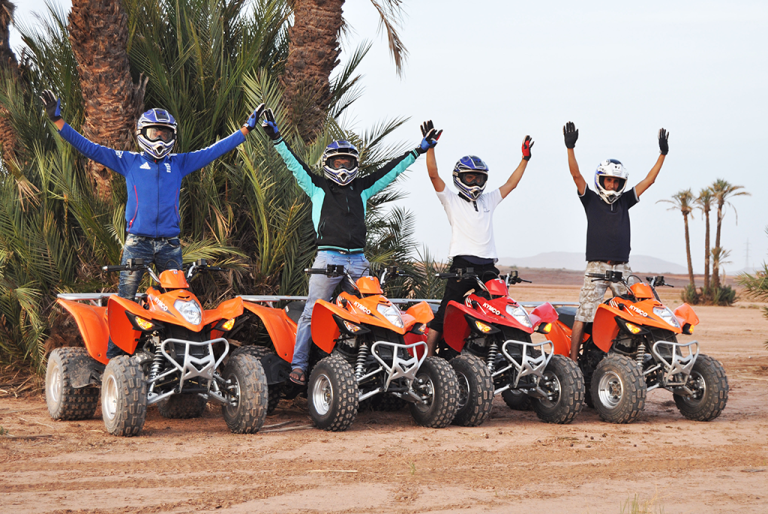
Among the countless activities available to Marrakech visitors—from cooking classes and hammam experiences to hot air balloon rides and quad biking adventures—Cycling Adventures in Agafay Desert has gained recognition as something truly special, an experience that combines physical challenge, natural beauty, cultural immersion, and personal reflection in ways that few other activities can match. The reasons for this distinction are numerous and worth exploring in detail for anyone considering whether to dedicate precious vacation time to pedaling through a Moroccan stone desert.
First and foremost, the Agafay landscape itself possesses an austere beauty that captivates photographers, nature enthusiasts, and anyone who appreciates geological drama. The desert’s rolling hills create an ever-changing topography where each ridge reveals new perspectives, where shadows and light play across textured surfaces throughout the day, and where the absence of vegetation allows the earth’s bones to show through in spectacular fashion. The color palette shifts subtly depending on time of day and season—warm golden tones dominate during sunrise and sunset, while midday light brings out the desert’s more muted beiges and grays. In the background, the High Atlas Mountains rise majestically, their snow-capped peaks providing a stunning contrast to the arid foreground and serving as a constant reminder of the geographical diversity packed into this relatively small region of Morocco. This combination of desert foreground and mountain backdrop creates compositions that seem almost too perfect to be real, making Agafay a paradise for photography enthusiasts who can capture images that rival anything found in more famous desert destinations.
The accessibility of Agafay represents another significant advantage that distinguishes it from Morocco’s more remote desert regions. While visiting the Sahara’s famous dunes requires multiple days of travel from Marrakech—typically involving long drives through mountain passes and overnight stays in desert camps—Agafay can be reached in approximately forty-five minutes to an hour by vehicle, making it feasible to enjoy a substantial desert cycling experience and return to Marrakech accommodations the same day. This convenience is invaluable for travelers operating on limited schedules, for families with young children who may not be ready for multi-day desert expeditions, or for anyone who wants to sample desert cycling before committing to more ambitious adventures. The proximity to Marrakech also means that cyclists who encounter unexpected challenges—equipment issues, weather changes, or simple fatigue—can easily return to city amenities rather than being stranded far from assistance and comfort.
The Cycling Adventures in Agafay Desert offers remarkable variety despite the desert’s seemingly uniform appearance from a distance. Routes can be customized to accommodate different fitness levels and cycling experience, ranging from relatively flat circuits that follow dried riverbeds and valley floors to more challenging itineraries that incorporate hills and rocky sections requiring technical bike handling skills. This flexibility means that casual cyclists interested in leisurely exploration can enjoy Agafay just as much as experienced mountain bikers seeking adrenaline and challenge. The desert’s trails include everything from smooth dirt tracks suitable for standard touring bikes to rocky single-track paths that demand full-suspension mountain bikes and confident handling. Tour operators typically assess clients’ abilities beforehand and design routes accordingly, ensuring that everyone experiences appropriate challenge without overwhelming anyone with terrain beyond their comfort zone.
Cultural encounters add another dimension to Cycling Adventures in Agafay Desert that elevate them beyond simple outdoor recreation. Despite its seemingly desolate appearance, the
Desert is home to scattered Berber communities who have adapted to this harsh environment over centuries, developing specialized knowledge about water sources, seasonal grazing patterns, and survival strategies that allow human and animal life to persist where conditions seem utterly inhospitable. Cycling tours often include stops at these remote settlements where visitors can meet families who maintain traditional lifestyles, learn about their daily challenges and celebrations, and perhaps share tea in a modest home constructed from local earth and stone. These encounters provide invaluable context for understanding Morocco beyond its tourist-oriented cities and historical monuments, revealing the resilience and resourcefulness of communities who choose to preserve ancestral ways of life despite the pressures of modernization. The guides who lead cycling tours typically come from these communities themselves, bringing insider knowledge and personal connections that transform abstract landscapes into places rich with human stories and cultural significance.
Essential Highlights of an Agafay Desert Cycling Experience
When you commit to a cycling adventure through the Agafay Desert, you’re signing up for a multi-layered experience that engages all your senses and challenges both body and mind in profoundly rewarding ways. Understanding what to expect—the key highlights that make this adventure memorable—helps you prepare appropriately and ensures you don’t overlook subtle aspects that less informed travelers might miss.
The journey typically begins with pickup from your Marrakech accommodation in the early morning or late afternoon, depending on which part of the day you’ve chosen for your cycling adventure. Morning departures offer cooler temperatures and the possibility of witnessing sunrise over the desert—a magical time when horizontal light paints the landscape in warm golds and creates long shadows that emphasize every contour and texture. Afternoon departures position you to experience sunset’s equally spectacular light show and the unique quality of desert twilight when colors deepen and the temperature begins its dramatic nighttime descent. The drive from Marrakech to the Agafay starting point provides its own entertainment as you watch the city gradually fade behind you and the landscape transform from urban density to suburban sprawl to agricultural fields and finally to the rocky desert that seems to emerge suddenly once you cross an invisible threshold.
Arriving at the cycling starting point, you’ll receive your bicycle from the tour operator’s support vehicle, along with safety equipment including helmets and any additional gear required for your chosen route. Reputable operators provide quality mountain bikes with appropriate gearing for desert terrain, properly inflated tires with good tread for traction on loose surfaces, and comfortable saddles adjusted to your height. A brief safety orientation covers hand signals for communicating with your guide and fellow cyclists, protocols for staying together as a group, and instructions for handling common situations like punctures or mechanical issues. Your guide will also explain the day’s route, pointing out landmarks you’ll encounter and setting expectations for distance, elevation changes, and scheduled stops. This preparation phase is crucial—take the time to test your bike, make any necessary adjustments, and ask questions about anything that concerns you before setting off into the desert.
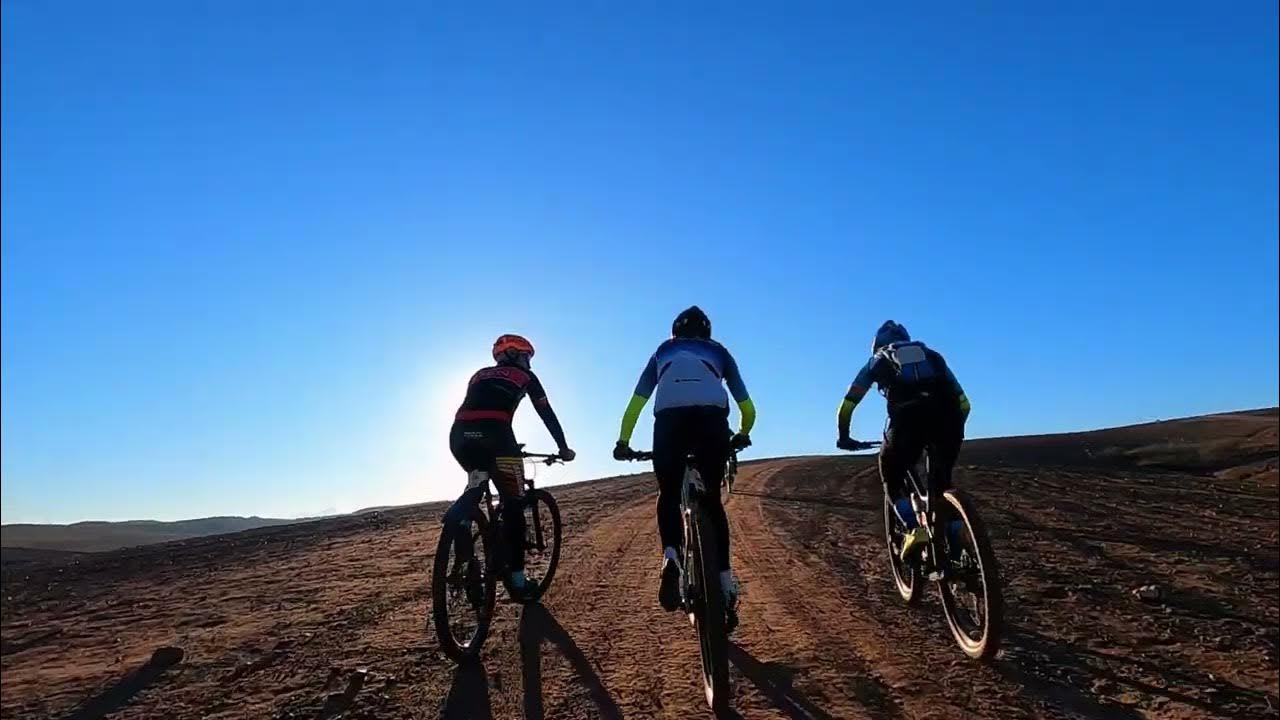
Once you begin pedaling, the transformation is immediate and profound. Within minutes, the sounds of civilization fade completely, replaced by the crunch of tires on gravel, the rhythm of your breathing, and the wind moving across open spaces. This sonic simplicity comes as a shock if you’ve spent several days immersed in Marrakech’s constant sensory bombardment, and many cyclists describe the initial moments of desert riding as almost overwhelming in their quietness. Your senses recalibrate quickly, however, and you begin noticing details that would be invisible amid urban distractions—the particular quality of light at this latitude, the surprising variety of rocks and minerals underfoot, the occasional resilient plant that has found moisture in an underground source, or the tracks of animals that crossed your path during the night.
The physical experience of cycling through Agafay varies dramatically depending on your chosen route. Easier paths following valley floors and dried wadis offer relatively smooth riding where you can maintain steady momentum, allowing you to cover significant distances while conserving energy and enjoying sustained views of the surrounding landscape. These gentler routes are ideal for building confidence, for families cycling with children, or for anyone who prioritizes distance and photography over technical challenge. More difficult routes incorporate the desert’s natural topography, climbing and descending hills that test your fitness and bike handling skills while rewarding effort with panoramic viewpoints that reveal the Agafay’s full scope and majesty. The satisfaction of cresting a challenging climb and seeing the Atlas Mountains arrayed before you, or of navigating a technical descent that demands focus and skill, adds layers of accomplishment that make the experience memorable long after sore muscles have recovered.
Throughout your ride, regular stops allow for hydration, photography, and simply absorbing the environment without the distraction of pedaling. Your guide will choose stopping points strategically—perhaps at a high overlook with 360-degree views, beside an unusual rock formation that illustrates some geological process, or at a spot where Berber herders have established a seasonal camp. These pauses provide opportunities for conversation with your guide about the desert’s ecology, history, and current challenges, including issues like water scarcity, climate change impacts, and the tension between traditional land use and tourism development. Understanding these contextual layers transforms what could be merely scenic bicycle riding into genuine learning and engagement with complex environmental and cultural questions.
Many Cycling Adventures in Agafay Desert incorporate a significant cultural component through visits to Berber villages or homes scattered throughout the desert. These encounters require sensitivity and respect—you’re entering people’s private spaces and daily lives, not visiting a museum or performance designed for tourists. Your guide serves as cultural interpreter, explaining appropriate behavior and facilitating genuine exchanges that benefit both visitors and hosts. You might be invited to sit in a simple dwelling and share tea while your hosts explain their lifestyle, describe seasonal changes in the desert, or demonstrate traditional crafts like weaving or pottery. Children from these communities are often curious about visitors and delighted to interact, though always ask permission before photographing people, especially women and children, as some families prefer privacy while others welcome the attention. These human connections often prove to be the most emotionally resonant aspect of the entire cycling experience, creating memories and relationships that transcend cultural and linguistic barriers.
For those opting for full-day tours, lunch typically occurs at a scenic location where your support team has prepared a traditional Moroccan meal—perhaps a tagine cooked over coals, fresh salads, bread, and fruit, served on carpets spread beneath a shelter erected for shade. This extended break in the middle of the day allows for rest, digestion, and conversation with fellow cyclists about the morning’s experiences. The slower pace of a leisurely desert lunch contrasts beautifully with the physical activity before and after, reminding you that cycling tours are as much about savoring moments as about covering kilometers.
Planning Your Cycling Adventures in Agafay Desert : Practical Considerations
Transforming the dream of cycling through Morocco’s stone desert into reality requires practical planning that addresses logistics, preparation, safety, and expectations. Understanding these operational details ensures your adventure proceeds smoothly and allows you to focus on enjoyment rather than problem-solving during the experience itself.
Selecting the right tour operator represents your most important decision, as the quality of your experience depends heavily on the professionalism, knowledge, and equipment provided by the company you choose. Research operators thoroughly by reading reviews on platforms like TripAdvisor, examining their websites for detailed information about itineraries and included services, and contacting them directly with questions about their experience, guide qualifications, and safety protocols. Established companies specializing in outdoor adventures typically maintain higher equipment standards and employ guides with extensive desert knowledge and first aid certification. Don’t automatically choose the cheapest option—price differences often reflect real variations in bicycle quality, guide expertise, and overall safety measures. Reputable operators should be transparent about what’s included in their pricing, whether hotel transfers, equipment rental, meals, and support vehicles are part of the package or require additional fees.
Timing yourCycling Adventures in Agafay Desert appropriately dramatically affects your enjoyment and comfort. Morocco’s climate varies considerably by season, and Agafay Desert cycling is most pleasant during spring (March through May) and autumn (September through November) when daytime temperatures typically range from 20 to 28 degrees Celsius—warm enough to be comfortable but not so hot that exertion becomes dangerous or unpleasant. These shoulder seasons also bring occasional rainfall that temporarily transforms the desert, causing dormant vegetation to green the landscape and wildflowers to bloom in surprising profusion, creating photographic opportunities quite different from the austere beauty of drier periods. Summer cycling in Agafay is possible but challenging due to intense heat that can exceed 40 degrees Celsius during afternoon hours, making early morning departures essential and requiring extra attention to hydration and sun protection. Winter cycling offers crisp, clear conditions with daytime temperatures around 15 to 20 degrees, though mornings can be quite cold and the Atlas Mountains’ snow-covered peaks are especially dramatic during these months. Consider your personal heat tolerance and fitness level when choosing when to visit, and don’t hesitate to schedule morning tours during warmer months to avoid the most intense heat.
Physical preparation for desert cycling depends on your baseline fitness and the tour difficulty you’re considering. Easier routes covering 15 to 25 kilometers on moderate terrain require only basic cycling ability and reasonable general fitness—if you can comfortably ride a bicycle for an hour or two on relatively flat ground, you’ll manage fine on beginner-friendly Agafay tours. More challenging routes covering 40 to 60 kilometers with significant elevation changes demand better cardiovascular fitness and cycling-specific conditioning that comes from regular riding in the weeks before your trip. If you don’t cycle regularly at home, consider doing some preparation rides to build leg strength, improve your cardiovascular endurance, and get comfortable spending several hours in the saddle. Even basic conditioning makes the experience more enjoyable by reducing fatigue and muscle soreness that can distract from scenic and cultural appreciation. Honestly assess your abilities when booking and communicate clearly with your tour operator about your experience level—there’s no shame in choosing an easier route, and pushing beyond your capabilities risks injury and spoils everyone’s enjoyment.
Equipment and packing considerations for Agafay cycling are straightforward but important. Tour operators provide bicycles and helmets, but you’re responsible for appropriate clothing, sun protection, and personal items. Dress in layers that can be adjusted as your body temperature changes with exertion and as the day warms or cools. Moisture-wicking athletic clothing works better than cotton, which becomes uncomfortable when saturated with sweat. Long sleeves and pants provide better sun protection than shorts and tank tops, and light colors reflect heat more effectively than dark fabrics. Closed-toe athletic shoes or cycling shoes offer better pedal control and foot protection than sandals or casual footwear. A lightweight backpack or cycling jersey with pockets can carry essentials like water, sunscreen, snacks, and a camera, though many tours include support vehicles that transport larger items and provide backup supplies.Atlas Mountains Climate and Geography
Sun protection deserves special emphasis for desert cycling where shade is virtually nonexistent and reflected light from pale rock and earth intensifies solar radiation. Apply broad-spectrum sunscreen with SPF 30 or higher to all exposed skin before starting your ride and reapply during breaks as sweat and friction reduce effectiveness. Wear a hat beneath your helmet if possible, or choose a helmet with an integrated visor that shades your face. Quality sunglasses with UV protection shield your eyes from glare and reduce squinting that leads to headaches and fatigue. Lip balm with sun protection prevents painful chapped lips that can develop quickly in dry desert air.
Hydration is absolutely critical for desert cycling safety and performance. Dehydration impairs physical performance, cognitive function, and body temperature regulation, making you more susceptible to heat exhaustion or heat stroke in extreme cases. Drink water before feeling thirsty, as thirst is a relatively late indicator of dehydration. Aim to consume at least half a liter per hour of cycling, more during hot weather or strenuous sections. Most tours provide water from support vehicles at regular stops, but carrying your own bottle ensures you can drink whenever needed without waiting for scheduled breaks. Some cyclists prefer hydration packs that allow continuous sipping through a tube rather than stopping to grab a water bottle. If you’re cycling during hot months or for extended periods, consider bringing electrolyte tablets or sports drinks to replace minerals lost through sweat, as water alone doesn’t replenish sodium, potassium, and other electrolytes essential for proper muscle and nerve function.
Cultural Sensitivity and Environmental Responsibility
Cycling Adventures in Agafay Desert isn’t simply a recreational activity—it’s an encounter with a living landscape and working communities whose relationship with this environment extends back centuries. Approaching the experience with cultural sensitivity and environmental awareness enhances everyone’s experience and ensures that tourism benefits rather than harms the people and places that make these adventures possible.
Cultural respect begins with understanding that the Berber communities you encounter during your cycling tour are not performances staged for tourists but real people conducting their daily lives in challenging circumstances. Approach interactions with humility, curiosity, and appreciation rather than with the expectation of exotic entertainment. Learn a few basic phrases in Darija (Moroccan Arabic) or Tamazight (Berber language)—greetings like “salam aleikum” (peace be upon you), “shukran” (thank you), and “bslama” (goodbye) demonstrate effort and respect that locals appreciate even if your pronunciation is imperfect. Allow your guide to facilitate introductions and explain customs, as they understand the nuances of appropriate behavior in ways that foreign visitors cannot intuitively grasp. Be aware that photography of people requires permission, and some individuals or families may decline for religious or personal reasons that deserve respect without argument or persuasion.
Dress modestly out of respect for local conservative values, even though you’re engaged in physical activity in warm conditions. Both men and women should avoid revealing clothing—shoulders and knees should be covered, and women might consider bringing a light scarf that can be draped over the head when visiting homes or particularly traditional communities. These gestures of respect cost nothing and create goodwill that facilitates more authentic and friendly interactions. If invited into someone’s home, remove your shoes at the entrance unless instructed otherwise, accept hospitality graciously even if you’re not particularly hungry or thirsty, and avoid excessive physical contact with members of the opposite sex as traditional communities maintain conservative gender norms around touch and personal space.
Environmental responsibility in fragile desert ecosystems requires awareness that your presence creates impact even during what seems like innocent recreation. Practice “leave no trace” principles rigorously—pack out everything you pack in, including food wrappers, water bottles, and tissue paper. Dispose of trash properly when you return to civilization rather than leaving it in the desert where it persists for years and harms wildlife that might ingest or become entangled in it. Stay on established paths and trails whenever possible to avoid damaging fragile desert soils and vegetation that may take decades to recover from disruption caused by bicycle tires or foot traffic. The desert’s apparent emptiness is deceptive—seemingly barren areas often support biological soil crusts composed of cyanobacteria, lichens, and mosses that stabilize soil, retain moisture, and provide habitat for other organisms. These crusts are easily destroyed by crushing but painfully slow to regenerate, so respecting trail boundaries protects ecosystem health.
Water conservation awareness should inform your behavior throughout the tour. Desert communities face chronic water scarcity that will only intensify as climate change progresses, and tourists consuming precious water resources create tension and resentment if they seem cavalier about this critical issue. Use water thoughtfully when washing hands or face during stops, avoid wasting water by letting it run unnecessarily, and appreciate that the tea or food you’re offered represents significant resource investment by communities where water is never taken for granted. Supporting tours and operators who employ water-conscious practices and contribute to local water conservation projects represents one way to ensure your adventure creates positive rather than extractive relationships with desert communities.Responsible Travel in Morocco
Combining Cycling Adventures in Agafay Desert with Other Marrakech Experiences
Many travelers discover that cycling through the Agafay Desert becomes the highlight of their Marrakech visit, providing physical challenge, natural beauty, and cultural immersion that complement the city’s historical and cultural attractions. Understanding how desert cycling fits into a broader Marrakech itinerary helps you plan a balanced trip that addresses diverse interests while avoiding exhaustion from overscheduling.
For visitors with limited time, Agafay cycling works well as either an arrival day activity if you land in Marrakech in the morning or as a departure day experience if your flight leaves in the evening. The proximity to Marrakech means you can complete a half-day cycling tour and still have time for exploring the medina’s souks, visiting major monuments like the Bahia Palace or Saadian Tombs, or simply relaxing at your accommodation. Alternatively, consider scheduling your cycling adventure mid-trip after you’ve acclimated to Morocco’s climate, recovered from travel fatigue, and built up some walking fitness from exploring Marrakech on foot—arriving at desert cycling already somewhat conditioned improves performance and enjoyment.
Thematic pairing creates coherent travel experiences that deepen understanding of specific aspects of Moroccan culture or environment. For example, combining Agafay cycling with visits to Marrakech’s historic gardens like the Jardin Majorelle or Jardin Menara illuminates contrasts between cultivated oases and wild desert landscapes, both of which depend on sophisticated water management in arid conditions. Pairing desert cycling with a traditional hammam experience creates pleasing physical balance—vigorous outdoor exercise followed by therapeutic bathing and massage that soothes muscles and prepares you for continued exploration. Cultural enthusiasts might combine cycling with cooking classes or craft workshops that connect to things you’ve observed in Berber communities during your desert adventure—understanding carpet weaving or pottery techniques becomes more meaningful after you’ve met artisans practicing these crafts in their home environment.
Multi-day itineraries can incorporate Agafay cycling alongside other outdoor adventures like hiking in the Atlas Mountains, visiting the Ourika Valley, or exploring the Ouzoud Waterfalls, creating an adventure-focused trip that showcases Morocco’s geographical diversity beyond its famous cities. These combinations appeal particularly to active travelers who prioritize physical experiences and natural beauty over museum visits and shopping. Conversely, travelers who prefer cultural and historical immersion might limit themselves to one outdoor adventure like Agafay cycling while devoting most days to urban exploration, ensuring they don’t miss Marrakech’s magnificent medina, palaces, mosques, and museums that represent Morocco’s architectural and artistic heritage.Agafay Desert Information – Morocco World News
Frequently Asked Questions About Agafay Desert Cycling
How difficult is cycling in the Agafay Desert compared to other terrain?
Agafay presents moderate cycling challenges that vary depending on route selection. Easier routes following valley floors and established tracks require basic cycling ability and reasonable fitness but present no technical difficulties beyond maintaining balance on occasionally uneven surfaces. More challenging routes incorporating hills and rocky sections demand better cardiovascular conditioning, leg strength for climbing, and bike handling skills for descending safely on loose terrain. Experienced mountain bikers will find Agafay less technically demanding than single-track forest riding but more physically challenging than paved road cycling due to the resistance of riding on dirt and gravel surfaces.
What is the ideal length for an Agafay cycling tour?
Half-day tours lasting three to four hours including travel time from Marrakech provide substantial desert exposure without requiring exceptional fitness or consuming an entire vacation day. These typically cover 15 to 25 kilometers of cycling with stops for photos, hydration, and cultural encounters. Full-day tours ranging from six to eight hours allow for more extensive exploration, covering 40 to 60 kilometers with extended breaks for meals and rest. Your choice should reflect your fitness level, cycling experience, heat tolerance, and how much time you want to dedicate to this single activity versus other Marrakech attractions.
Can beginners with limited cycling experience enjoy Agafay tours?
Absolutely, provided you choose appropriate routes and operators who accommodate various skill levels. Basic bike-riding ability is sufficient for easier Agafay tours—if you can ride a bicycle comfortably for an hour or two on moderate terrain without extreme exertion, you’ll manage fine on beginner-friendly routes. Communicate honestly with operators about your experience level so they can match you with suitable itineraries and group compositions. Most guides adjust pace to accommodate the slowest rider, ensuring everyone completes the tour safely without pressure or embarrassment.
Is Agafay cycling safe for families with children?
Yes, with appropriate planning and route selection. Children who can ride bicycles independently and sustain focus for several hours can participate in family-oriented tours designed with shorter distances, gentler terrain, and more frequent breaks than standard adult tours. Some operators provide child-sized bikes, tag-along attachments for younger children, or support vehicles where tired children can rest during portions of the ride. Assess your children’s cycling abilities, heat tolerance, and attention spans honestly before booking, and choose operators experienced with family groups who understand how to make desert cycling engaging and safe for younger participants.
What happens if I experience mechanical problems or cannot complete the route?
Reputable operators include support vehicles that follow cycling groups carrying spare bikes, tools, water, and shade structures. If you experience mechanical issues like flat tires or gear problems, guides can either make roadside repairs or provide replacement equipment from support vehicles. If you become too fatigued to continue cycling, you can rest in the support vehicle while others complete the route—there’s no shame in recognizing your limits, and professional operators anticipate that not everyone completes every kilometer of challenging routes. This support infrastructure is one reason to choose established operators despite potentially higher costs compared to budget alternatives.
How does Agafay compare to Sahara desert experiences?
Agafay offers distinctly different landscapes and experiences compared to the Sahara’s famous sand dunes. The stone desert’s rocky, lunar-like terrain contrasts with the Sahara’s towering dunes and creates different photographic opportunities and physical challenges. Agafay’s proximity to Marrakech makes it accessible for short visits while the Sahara requires multi-day trips involving long drives through mountains and overnight camping. Both environments are beautiful and worthwhile, but Agafay suits travelers with limited time or those seeking desert experiences without the commitment and expense of Sahara expeditions. Many visitors appreciate experiencing both during longer Morocco trips to appreciate the country’s desert diversity.
What makes cycling better than other ways of exploring Agafay?
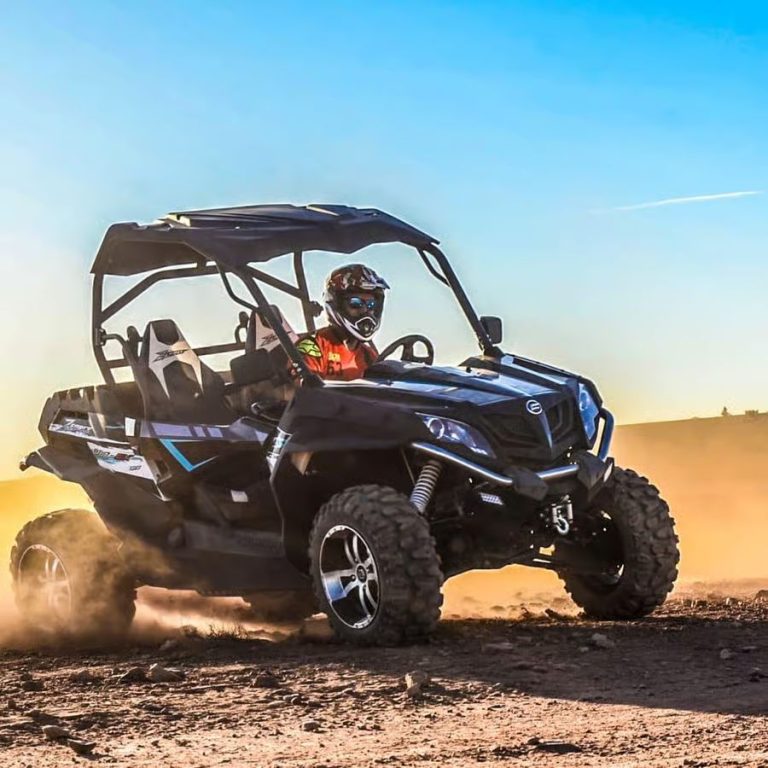
Cycling occupies a sweet spot between the speed of vehicle tours and the slowness of walking or camel riding. You cover enough distance to appreciate the desert’s scale and variety while moving slowly enough to notice details, photograph freely, and connect with the environment in ways that motorized tours prevent. Unlike quad biking or dune buggy experiences, cycling is quiet, eco-friendly, and culturally sensitive, allowing for peaceful contemplation and genuine interaction with local communities. The physical challenge adds satisfaction and accomplishment that passive sightseeing lacks, while the exercise benefits contribute to overall wellbeing and fitness rather than being purely recreational consumption.
Should I bring my own bicycle or rent from tour operators?
Renting from tour operators is strongly recommended unless you’re an extremely committed cyclist willing to manage the logistics and costs of transporting your bike internationally. Quality operators provide well-maintained mountain bikes specifically suited to Agafay terrain, eliminating concerns about airline baggage fees, potential damage during transport, or mechanical issues far from bike shops with proper parts and expertise. Rental bikes include necessary features like appropriate gearing for climbing, sturdy frames for rough terrain, and reliable brakes for safe descending—features that may differ from your personal bike if it’s designed for different riding conditions.
Can I combineCycling Adventures in Agafay Desert with overnight camping in the desert?
Yes, many operators offer combination experiences where afternoon cycling transitions into evening at desert camps featuring traditional Berber tents, Moroccan meals, campfire entertainment, and sleeping under spectacular starry skies unpolluted by city lights. These overnight experiences deepen your desert immersion and allow you to witness the magical transformation that occurs as day shifts to night and the desert temperature drops dramatically. Waking to desert sunrise and enjoying morning tea before cycling back to Marrakech creates circular journey narratives that feel more complete than out-and-back day trips.
What wildlife might I encounter during Cycling Adventures in Agafay Desert ?
Despite appearing barren, Agafay supports adapted wildlife that survives in harsh desert conditions. You might spot birds of prey like kestrels and buzzards hunting for rodents, see tracks of foxes and jackals that hunt at night, encounter small lizards basking on warm rocks, or observe insects adapted to extreme temperatures and water scarcity. Larger mammals are rare but include occasional gazelles and wild boar in areas with more vegetation. Most wildlife stays hidden during hot daylight hours when cycling typically occurs, so sightings require luck and sharp observation, but their presence reminds visitors that deserts are ecosystems supporting surprising biodiversity despite hostile conditions.Cycling Morocco Guide – Lonely Planet
Conclusion: Embracing the Desert’s Transformative Power
A cycling adventure through Morocco’s Agafay Desert represents far more than exercise in scenic surroundings—it becomes a transformative journey that challenges assumptions about what constitutes beauty, tests physical limits in rewarding ways, facilitates authentic cultural exchanges that transcend language barriers, and provides space for reflection impossible amid normal urban distractions. From the moment your bicycle wheels first crunch across desert gravel until you complete your final kilometer, you inhabit a liminal space between civilization and wilderness, between ancient traditions and contemporary adventure tourism, between individual challenge and shared experience with fellow travelers and local guides.
The profound silence of desert cycling creates mental space rarely available in modern life. Hours spent pedaling through vast landscapes with minimal human presence allow thoughts to surface and crystallize in ways that cluttered minds prevent. Some cyclists describe desert experiences as meditative, others as energizing, but nearly everyone reports returning from Agafay with shifted perspectives on priorities, problems, and possibilities. Physical exertion combined with visual beauty and cultural novelty creates conditions for breakthrough thinking and emotional processing that can unlock insights about personal challenges or life directions. Even if you approach desert cycling purely as recreation, don’t be surprised if you return with more than photographs and sore muscles—the desert has a way of changing people who grant it their full attention.
The environmental fragility you witness during Agafay cycling should inspire commitment to sustainable tourism practices and climate awareness. Seeing firsthand how precarious existence is in desert margins where slight shifts in rainfall, temperature, or water availability can devastate communities and ecosystems clarifies why climate change represents existential threat rather than abstract political debate. Supporting tourism operators who employ local guides, respect cultural sensitivities, practice environmental responsibility, and contribute to community development represents one way to ensure your adventure creates positive ripples rather than extractive exploitation. Sharing your experiences with others while emphasizing the importance of responsible travel spreads awareness and potentially influences how your network approaches tourism worldwide.
The human connections forged during Agafay cycling tours—with guides who share knowledge and passion for their homeland, with Berber families who welcome strangers with tea and conversation, and with fellow cyclists who share challenging moments and triumphant achievements—remind us that travel’s greatest rewards are often relational rather than visual or sensory. These brief but genuine encounters across cultural and linguistic divides demonstrate our common humanity and challenge stereotypes that news media and political rhetoric too often reinforce. Returning home with contacts saved, promises to share photos exchanged, and mutual respect established creates networks of understanding that contribute, however modestly, to a more peaceful and interconnected world.
For anyone planning a Marrakech visit who feels drawn to outdoor adventure, physical challenge, and authentic cultural experiences beyond tourist-oriented attractions, cycling through the Agafay Desert deserves serious consideration. Whether you’re an experienced cyclist seeking new terrain to explore, a cultural enthusiast eager to understand rural Moroccan life, a photography passionate hunting for extraordinary compositions, or simply someone who needs space and silence after urban intensity, Agafay delivers experiences that complement Marrakech’s imperial splendor with raw natural beauty and genuine human warmth. The desert awaits just beyond the city’s edge, patient and timeless, ready to share its lessons with those willing to pedal into its austere embrace and discover what lies beyond the comfortable boundaries of conventional tourism.Marrakech Tourism Board