

Introduction
The Atlas Mountains, a majestic chain stretching across Morocco, form an awe-inspiring natural barrier between the Atlantic coast and the Sahara Desert. Rising proudly behind Marrakech, these peaks are visible from almost every rooftop terrace in the city—especially in the crisp light of winter when their summits are capped with snow. For travelers seeking a refreshing escape from the bustling souks and the rhythmic energy of the Medina, a day trip to the Atlas Mountains offers the perfect contrast.
This journey is not merely a scenic drive; it’s a passage into the heart of Morocco’s rural soul—where nature, tradition, and human warmth coexist in perfect harmony. Within just a couple of hours from the city, you can find yourself surrounded by terraced farms, cascading waterfalls, and centuries-old Berber villages clinging to steep hillsides. The crisp mountain air, the scent of pine and wild herbs, and the sight of snow-dusted peaks form a serene backdrop for one of the most rewarding day excursions from Marrakech.
Whether you’re an adventurer seeking panoramic hikes, a photographer chasing the play of light on red clay villages, or a traveler looking to understand the authentic rhythms of Berber life, the Atlas Mountains invite you to slow down, breathe deeply, and reconnect with Morocco’s timeless landscapes.
What to See: A Classic Day Trip Itinerary
Most Atlas Mountains tours from Marrakech last around 7 to 8 hours, departing between 8:00 and 8:30 AM. The itineraries vary slightly by operator, but the essence remains the same: breathtaking drives through verdant valleys, meaningful encounters with locals, and light to moderate trekking suitable for all ages.
Below is a typical itinerary that captures the highlights of a perfect Atlas day trip.
1. The Scenic Drive and Key Valleys
The drive itself is a revelation. As you leave Marrakech behind, the chaos of honking scooters and market vendors slowly fades, replaced by olive groves, fruit orchards, and rolling foothills. The red hue of the soil contrasts beautifully with the green terraces, and the snow-topped mountains ahead shimmer under the North African sun.
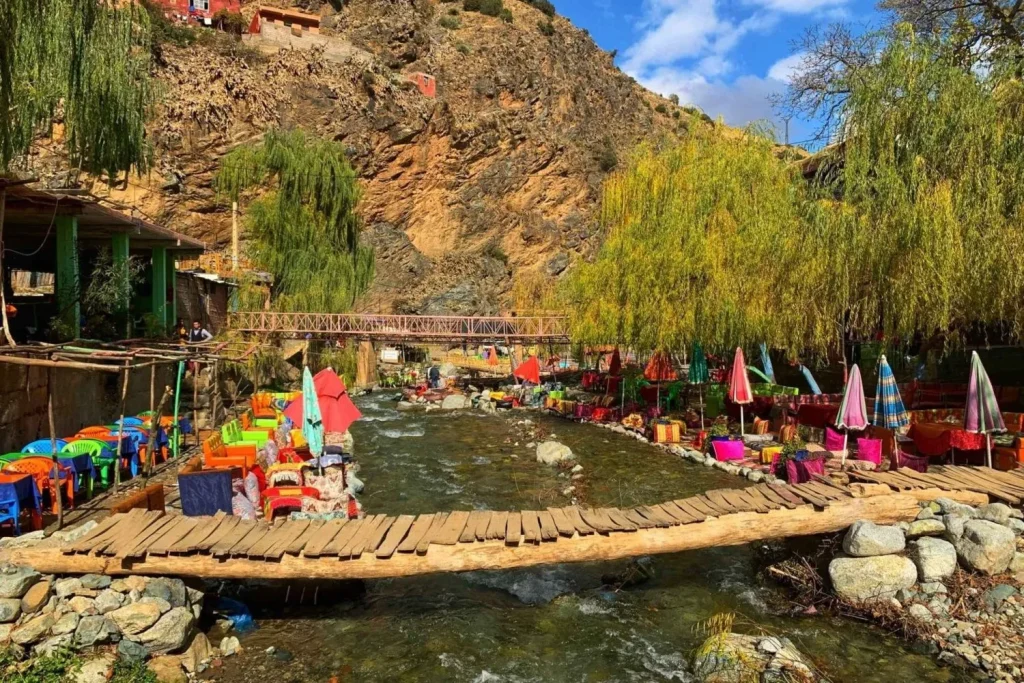
Ourika Valley — The gateway to the High Atlas, Ourika is one of the most accessible and lush valleys near Marrakech. Following the course of the Ourika River, the valley is lined with fig trees, terraced fields, and small villages. Many tours pause at an Argan Oil Cooperative run by Berber women, where you can watch the traditional cold-pressing method and sample natural beauty products. It’s also a good stop for a cup of tea or freshly squeezed orange juice overlooking the river.
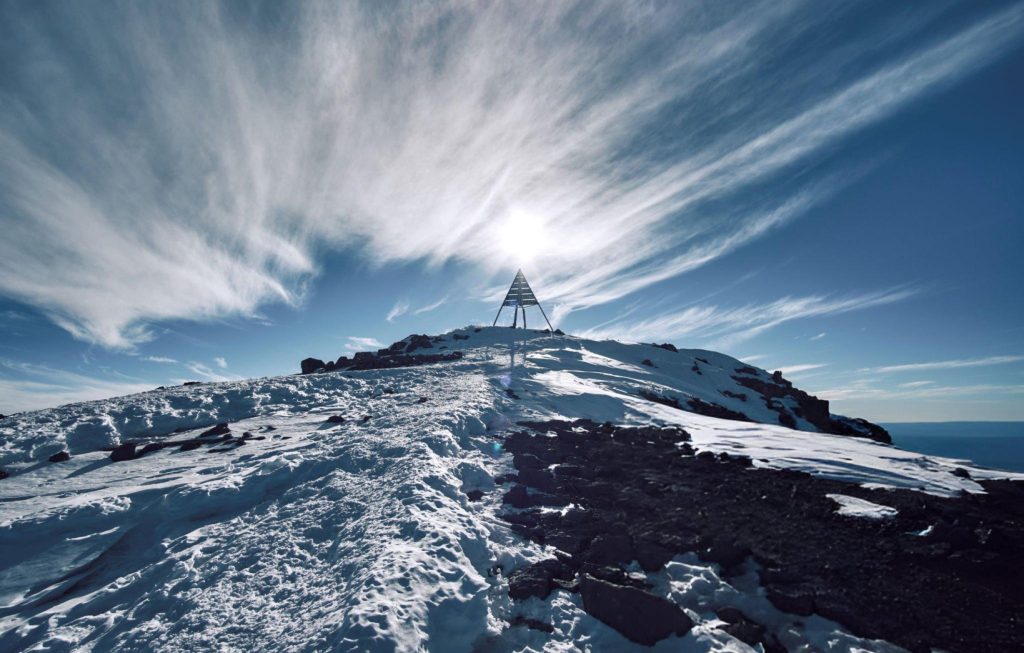
Asni and Imlil Valleys — Continuing deeper into the mountains, you pass through Tahnaout and Asni, picturesque market towns surrounded by apple and walnut groves. The air grows cooler, and the road winds upward toward Imlil, often called the “Little Chamonix of Morocco.” Situated at 1,740 meters, Imlil is the base for treks to Mount Toubkal, North Africa’s highest peak at 4,167 meters. Even if you’re not climbing Toubkal, the area offers many gentle trails and viewpoints perfect for short hikes and photography.
Lalla Takerkoust Lake and Agafay Desert (Alternative Route) — For travelers wanting variety, some tours include a detour to the serene Lalla Takerkoust Lake, a popular local getaway for kayaking and picnics. Others take a scenic route through the Agafay Desert, where the rocky, moonlike landscape contrasts sharply with the green valleys—an ideal setting for camel rides or quad adventures like Quad Marrakech Tours or Camel Rides Marrakech. This combination of desert and mountain scenery makes for a truly diverse day out.
2. Cultural Immersion in Berber Villages
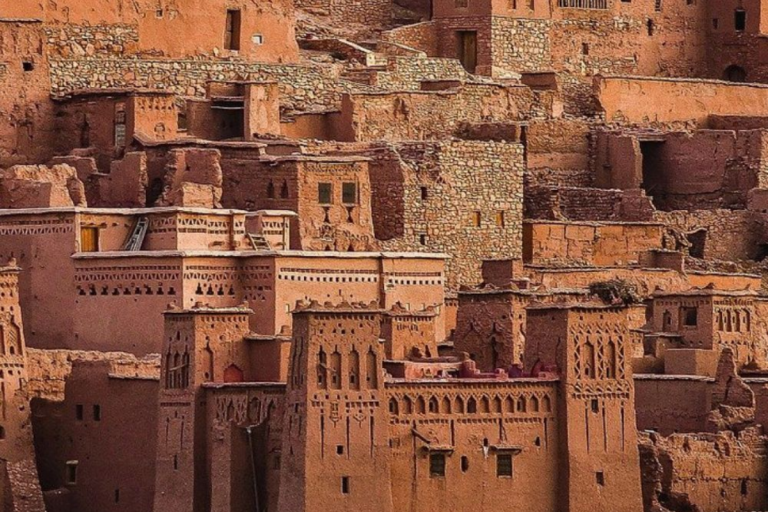
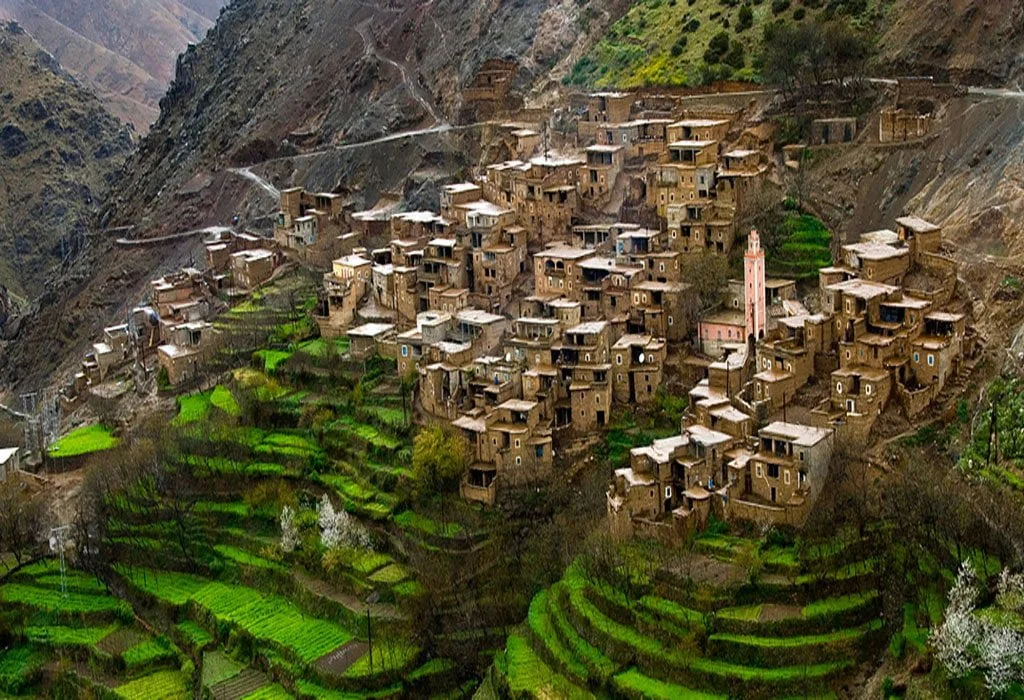
Beyond the landscapes, the Atlas Mountains are home to Morocco’s indigenous Berber (Amazigh) communities, whose traditions and hospitality define the character of the region. Their villages, built from local clay and stone, seem to grow organically out of the mountain slopes.
Mint Tea and Local Hospitality — Upon arrival in a village such as Ait Souka or Aroumd, visitors are often invited into a Berber home for the quintessential Moroccan experience: sharing sweet mint tea. The ritual of pouring tea from a height into small glasses is more than a custom—it’s a gesture of respect and welcome. Inside these homes, you may see woven carpets, clay stoves, and family photos that tell stories of endurance and pride. The experience offers a glimpse into daily life where simplicity and connection to nature prevail.
Traditional Lunch — Around midday, you’ll enjoy a home-cooked tagine or couscous prepared with locally sourced vegetables and herbs. Many tours arrange lunch on a terrace overlooking terraced fields and snow-capped peaks. The flavors are fresh and comforting—slow-cooked lamb, lemony chicken, or aromatic vegetable tagines served with warm khobz bread. Dining here feels intimate and real—a world away from tourist restaurants.
Local Markets — If you visit on a market day—Saturday in Asni or Tuesday in Tahnaout—you’ll witness the region’s social heartbeat. Farmers gather to sell olives, livestock, carpets, and handmade pottery. The sounds, colors, and scents blend into a vivid cultural tapestry—a photographer’s dream and an anthropologist’s delight.
3. Hiking and Waterfalls
The Atlas Mountains invite exploration, and hiking is the perfect way to immerse yourself in their rhythm. Trails vary in difficulty, from easy strolls to moderate treks, and local guides are always available to lead the way safely.
Imlil Waterfalls Trek — One of the most popular hikes begins in Imlil and meanders through walnut and cherry orchards, past grazing goats and small stone bridges, before reaching a cluster of waterfalls. The trek takes about 1–2 hours round-trip and is suitable for most fitness levels. The combination of cool mountain air, rushing water, and panoramic views makes it a highlight of any visit.
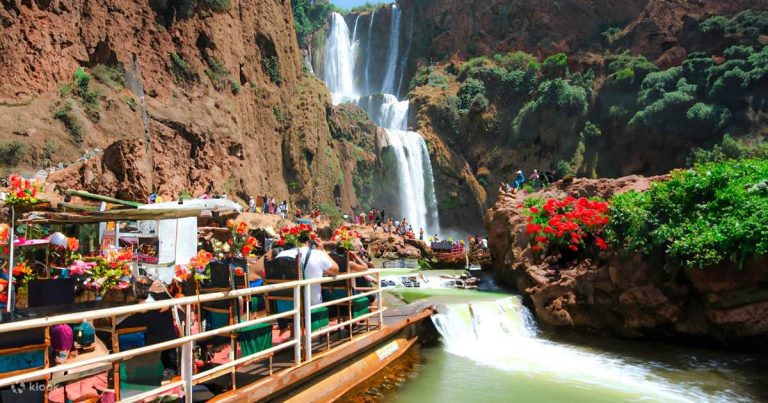
Setti Fatma Waterfalls (Ourika Valley) — Another famous trek, especially for those heading to Ourika, is the climb to the Setti Fatma waterfalls, a series of seven cascades reached by short but sometimes steep paths. Local guides help visitors navigate slippery rocks and narrow passages. Once you reach the top, the view across the valley is spectacular—a mosaic of greenery framed by rugged cliffs.
Why a Guide Matters — Hiring a local guide adds immense value. They not only ensure safety but also share legends, explain plants and customs, and connect you with locals along the way. Their presence transforms a simple walk into a story-filled experience.
When to Go: Seasons and Weather
The Atlas Mountains are beautiful year-round, but each season offers a distinct experience.
-
Spring (March–May): Wildflowers bloom, rivers run full, and the temperature is mild—perfect for hiking and photography.
-
Summer (June–August): Cooler than Marrakech, with temperatures around 25°C. A welcome escape from city heat, though afternoons can still be warm.
-
Autumn (September–November): Crisp air, golden light, and harvest time—ideal for cultural photography and quieter villages.
-
Winter (December–February): Snow covers the peaks, turning the landscape into a magical wonderland. Great for cozy lunches by a fire or even skiing in Oukaïmeden, Morocco’s main ski resort (Lonely Planet – Oukaïmeden Guide).
Practical Tips for Your Atlas Adventure
-
Departure Time: Most tours start around 8:00 AM from Marrakech.
-
Duration: Expect a full day (7–9 hours) including stops and lunch.
-
Clothing: Wear layers; mornings and evenings can be cool, even in summer.
-
Footwear: Sturdy, non-slip shoes for hiking.
-
Essentials: Sunscreen, hat, refillable water bottle, camera, and a small backpack.
-
Language: Berber and Arabic are primary; most guides speak English and French.
-
Cash: Small villages often don’t accept cards. Carry some Moroccan dirhams for souvenirs or tips.
Frequently Asked Questions (FAQs)
1. How far are the Atlas Mountains from Marrakech?
The High Atlas foothills begin about 45–60 minutes from Marrakech by car, depending on the valley you visit. Imlil is roughly 65 km away.
2. Do I need to be fit to visit?
Not necessarily. Most day trips involve light walking, and you can skip or shorten hikes if you prefer. However, a reasonable level of mobility helps.
3. Is it possible to visit in winter?
Absolutely. Winter offers crisp air and stunning snow-capped views. Just dress warmly.
4. Can I visit without a guide?
You can rent a car, but hiring a local guide enhances safety and cultural insight, especially for treks.
5. Are combo tours available?
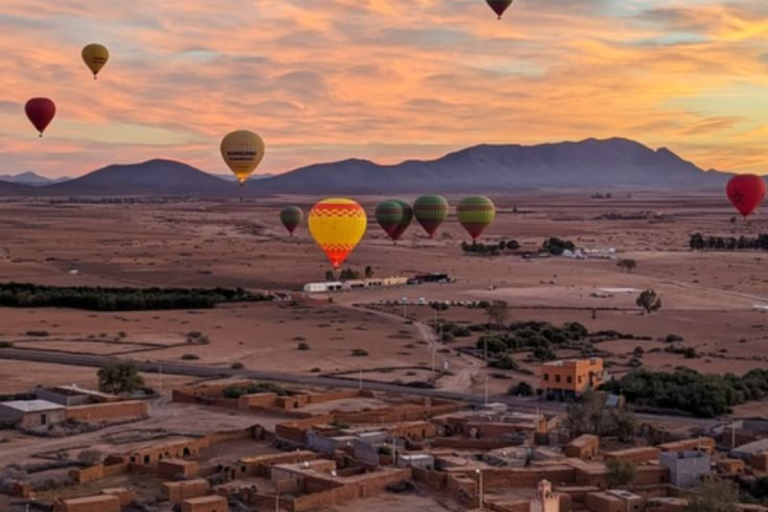
Yes. Many operators offer Atlas + Agafay Desert packages combining mountain trekking with desert experiences like Buggy Adventures or Hot Air Balloon Marrakech.
6. What kind of wildlife or plants can I see?
The region is home to juniper forests, wild thyme, almond trees, and birds like eagles and bulbuls. In spring, wildflowers color the valleys.
7. Are there places to stay overnight?
Yes, charming guesthouses and eco-lodges in Imlil and Ourika Valley offer cozy stays, allowing you to witness the mountain sunset and sunrise.
Conclusion
A day in the Atlas Mountains is far more than a quick escape from Marrakech—it’s a journey through Morocco’s living heritage. Between the terraced fields, ancient footpaths, and warm hospitality of Berber families, every moment reveals the deep connection between people and nature that defines this part of the country.
Whether you choose to trek to waterfalls, sip mint tea in a mountain village, or simply gaze at Mount Toubkal from a sunlit terrace, the experience leaves an indelible mark. For those who wish to go beyond the city walls, the Atlas Mountains offer tranquility, authenticity, and adventure in equal measure.
And when your day draws to a close and the road winds back toward Marrakech, the sight of the red city glowing beneath the fading sun reminds you just how rich and diverse Morocco truly is—from its deserts to its peaks, from its medinas to its mountains.