

introduction
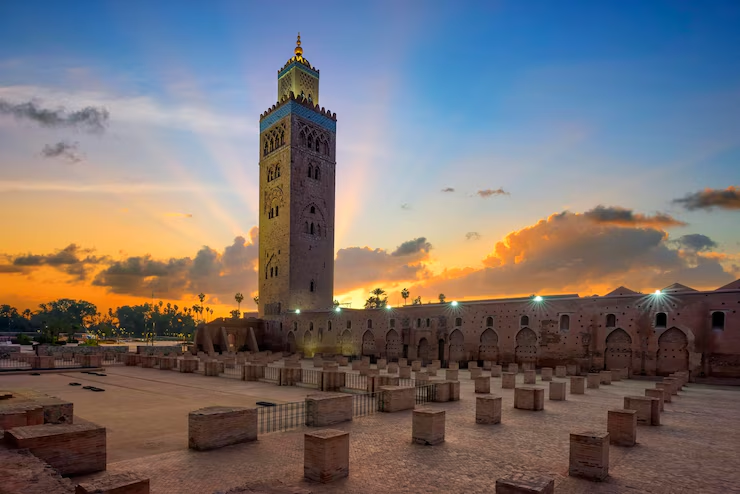
Marrakech captivates millions of visitors each year with its iconic landmarks—the bustling Jamaa el-Fna square, the towering Koutoubia Mosque, and the labyrinthine souks of the Medina. Yet beyond these well-trodden paths lies a Morocco that few tourists discover: a land of hidden valleys, forgotten kasbahs, pristine waterfalls, and ancient villages where time seems to stand still. These lesser-known excursions offer authentic experiences far from the crowds, revealing the soul of Morocco in its purest form. Whether you seek adventure, tranquility, cultural immersion, or simply a different perspective on this enchanting country, these five hidden gem excursions will transform your Marrakech journey from memorable to truly unforgettable.
1. Ourika Valley: The Secret Garden of the Atlas Mountains
A Valley Beyond Time
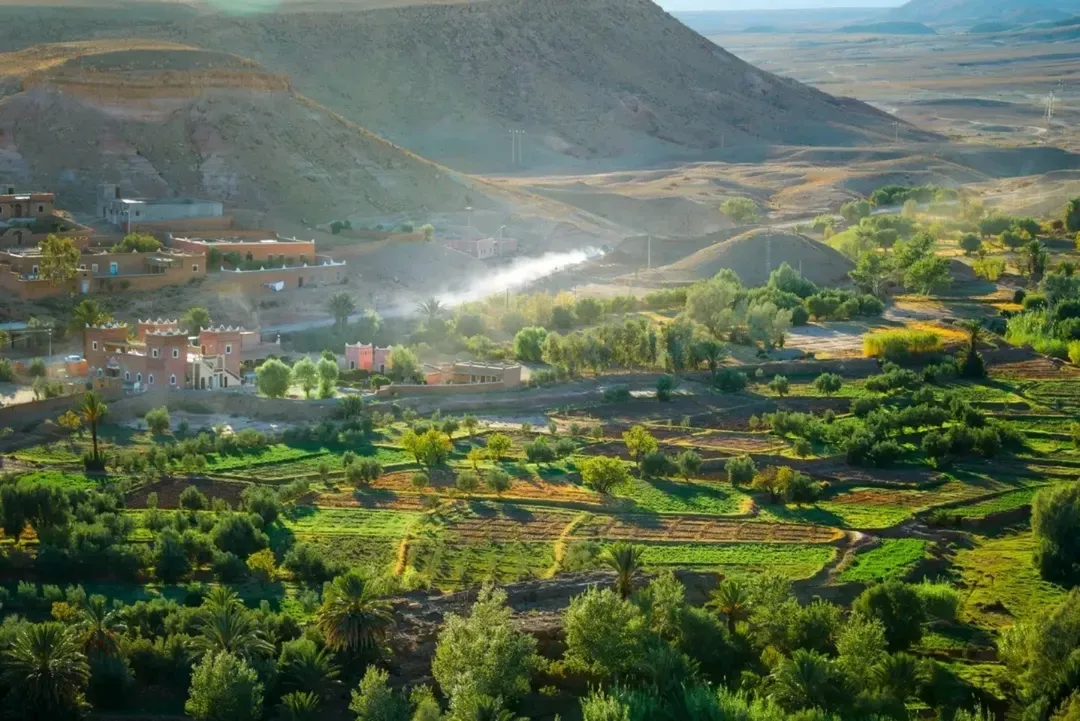
Nestled in the foothills of the High Atlas Mountains, just 60 kilometers southeast of Marrakech, the Ourika Valley remains one of Morocco’s best-kept secrets despite its proximity to the city. Unlike the more famous Ouarzazate route or the bustling Essaouira coast, Ourika offers an intimate encounter with Berber culture, dramatic mountain scenery, and refreshing natural beauty. The valley follows the Ourika River as it cascades down from snow-capped peaks, creating a verdant ribbon of life through otherwise arid terrain. Here, traditional mud-brick villages cling to mountainsides, terraced gardens produce vegetables and herbs, and locals live much as their ancestors did centuries ago.
The journey to Ourika takes you through a landscape that shifts dramatically with each passing kilometer. Leaving Marrakech’s urban sprawl behind, you traverse plains dotted with olive groves and argan trees before the road begins its gentle ascent into the mountains. Small roadside markets appear sporadically, selling fresh produce, handwoven carpets, and traditional pottery. As you climb higher, the air becomes noticeably cooler and fresher, a welcome relief from the city’s heat. The valley itself opens up like a revelation—lush green terraces contrast sharply with red earth and gray rock, while the river’s constant presence provides a soothing soundtrack to your exploration.
Setti Fatma and the Seven Waterfalls
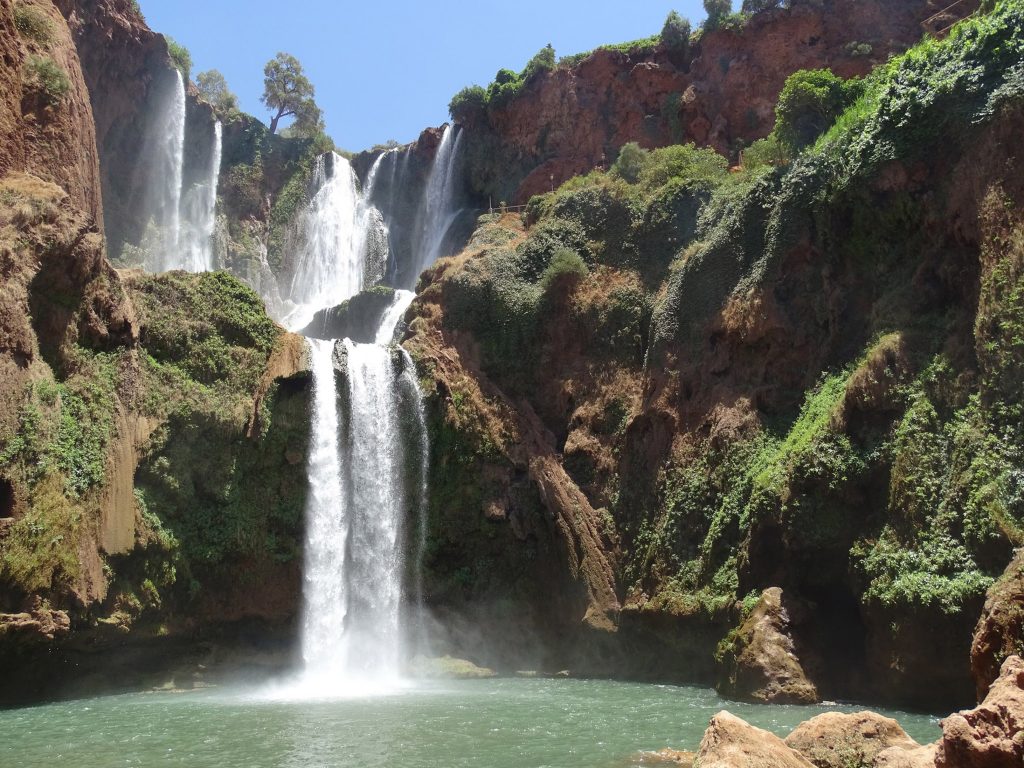
The village of Setti Fatma, perched at 1,500 meters altitude, serves as the gateway to the valley’s most spectacular natural feature: the seven waterfalls of Ourika. This traditional Berber settlement, with its narrow alleys and riverside restaurants, maintains an authentic atmosphere despite receiving visitors. The real adventure begins when you embark on the hike to the waterfalls, a moderately challenging trek that rewards every step with stunning views.
The trail follows the river upstream, requiring you to navigate rocks, cross streams via stepping stones, and occasionally scramble over boulders. Local guides, often young men from the village who know every inch of the terrain, are highly recommended for safety and navigation. The first waterfall appears after about 30 minutes of hiking—a crystalline cascade tumbling into a natural pool surrounded by smooth rocks perfect for sitting and absorbing the peaceful atmosphere. Most visitors stop here, but the truly adventurous continue upward to discover the remaining six waterfalls, each more secluded and pristine than the last.
The higher you climb, the more spectacular the views become. Looking back down the valley, you can see the patchwork of green fields, the ribbon of river, and the clusters of villages that dot the landscape. The third and fourth waterfalls require more technical climbing, with chains bolted into rocks to assist your ascent. By the time you reach the fifth waterfall, you’ve entered a realm of almost complete solitude, where the only sounds are water, wind, and birdsong. The sense of achievement upon reaching the seventh waterfall—accessible only to the most determined hikers—is profound, offering not just visual rewards but a deep connection to the raw power of nature.
Cultural Immersion and Local Life
Beyond the waterfalls, Ourika Valley offers rich opportunities for cultural engagement. Many tours include visits to traditional Berber homes, where families welcome guests with genuine warmth and hospitality. Inside these modest dwellings, you might observe women preparing bread in clay ovens, grinding argan nuts for oil, or weaving colorful textiles on wooden looms. The traditional architecture itself tells stories—thick mud walls provide insulation, small windows protect against heat and cold, and rooftop terraces serve as multifunctional living spaces.
Sharing mint tea with a Berber family while sitting on handwoven carpets, hearing stories passed down through generations, and witnessing daily rituals provides insights no guidebook can offer. Some families demonstrate traditional cooking methods, using tagines buried in hot coals to prepare slow-cooked meals infused with aromatic spices. Others might show you their small gardens where they cultivate medicinal herbs, vegetables, and fruit trees using irrigation systems that have existed for centuries.
The valley also hosts a vibrant weekly souk (market) on Mondays in Tnine Ourika, where locals from surrounding villages gather to trade goods, socialize, and conduct business. Unlike tourist-oriented markets in Marrakech, this authentic souk primarily serves local needs—you’ll find fresh produce, livestock, household goods, and traditional items rarely seen elsewhere. Walking through this market offers a genuine glimpse into rural Moroccan life, where transactions happen through animated discussions, goods are carefully inspected, and community bonds are reinforced.
Practical Tips for Ourika Valley
The best time to visit Ourika is during spring (March to May) when wildflowers blanket the hillsides and water flow is strongest, or autumn (September to November) when temperatures are comfortable and crowds minimal. Summer brings Moroccan families escaping Marrakech’s heat, making weekends particularly busy. Winter can be cold, with snow occasionally blocking higher mountain passes, but offers crystalline views and near-empty trails.
Wear sturdy hiking shoes with good grip, as the waterfall trail involves rocky, sometimes slippery terrain. Bring water, sunscreen, and a light jacket—mountain weather can change quickly. Consider hiring a local guide not only for navigation but also to support the community and gain deeper cultural understanding. Many guides speak English and can share fascinating information about plants, wildlife, and local traditions.
For an extended experience, consider staying overnight in a traditional guesthouse or mountain lodge. Waking to the sound of the river, eating breakfast prepared with local ingredients, and experiencing the valley in the tranquil early morning or starlit evening transforms a day trip into a profound experience. Some accommodations offer cooking classes, guided nature walks, or opportunities to participate in agricultural activities, deepening your connection to this remarkable place.
2. Amizmiz Valley: Where Morocco Remains Untouched
The Road Less Traveled
While tour buses stream daily toward popular destinations like Ouzoud Falls or Ait Benhaddou, the Amizmiz Valley, located just 55 kilometers southwest of Marrakech, remains blissfully undiscovered by mass tourism. This oversight is your opportunity to experience Morocco as it existed before the advent of modern tourism—a landscape of red earth villages, ancient kasbahs, working farms, and communities that maintain traditional lifestyles with minimal external influence.
The route to Amizmiz takes you through the Haouz Plain, an agricultural heartland where wheat fields, olive groves, and vegetable gardens stretch toward distant mountains. The road itself is excellent, yet traffic remains light, allowing you to fully appreciate the changing scenery. Small villages punctuate the journey, each with its distinctive character—some known for pottery, others for woodwork or weaving. Roadside stands sell seasonal produce: fresh figs in autumn, oranges in winter, cherries in spring, creating a constantly shifting palette of colors and flavors.
Amizmiz town serves as the valley’s commercial center, especially bustling on Tuesday market days when surrounding villages empty as residents converge to trade goods. This weekly souk is among Morocco’s most authentic, where tourists are so rare that your presence might draw curious but friendly attention. Unlike sanitized tourist markets, Amizmiz’s souk reflects genuine economic activity—farmers sell vegetables and grains, craftsmen display handmade tools and utensils, women offer handspun wool and woven textiles, and livestock changes hands through traditional bargaining practices.
Hidden Villages and Mountain Trails
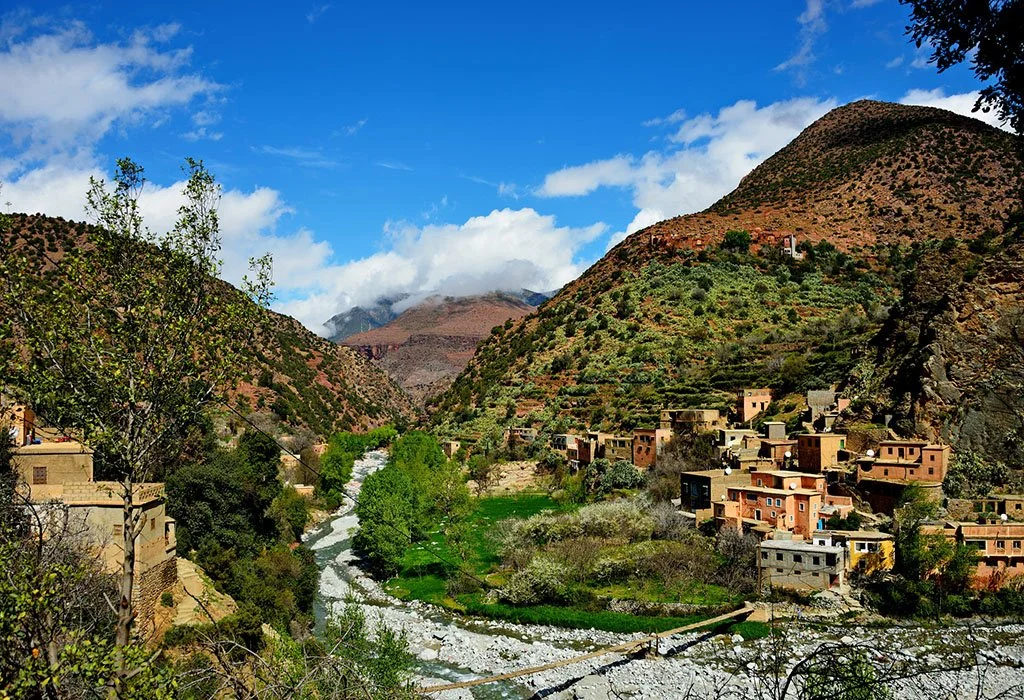
The true magic of Amizmiz lies in the villages scattered throughout the surrounding valleys and foothills. Anraz, Ouirgane, Asni, and countless unnamed hamlets offer windows into a Morocco that exists beyond guidebooks and Instagram posts. Many of these settlements are accessible only via dirt roads or footpaths, requiring either a 4×4 vehicle or a willingness to hike. The effort rewards you with encounters that feel like genuine discoveries rather than staged tourist experiences.
In these villages, daily life unfolds according to rhythms established over centuries. Men tend sheep and goats in mountain pastures, returning at dusk with their flocks. Women gather at communal wells, washing clothes and sharing news while children play nearby. Elderly residents sit in doorways, watching the world with eyes that have witnessed decades of change and continuity. Fields are still plowed with mules, bread baked in traditional ovens, and social life centered around mosques and public squares.
Hiking opportunities abound for those willing to venture beyond villages. Trails wind through juniper forests, cross rocky passes, and traverse high plateaus where only shepherds and their flocks disturb the silence. Unlike the more developed trekking routes around Imlil or Toubkal, these paths see few visitors, offering solitude and a profound sense of wilderness. With proper preparation and ideally a local guide, you can undertake multi-day treks that connect remote villages, spending nights in simple guesthouses or community-run accommodations where tourism is just beginning to take root.
The landscape constantly surprises—narrow gorges open suddenly onto wide valleys, barren slopes give way to unexpected greenery around springs, and every ridge reveals new vistas of mountains, villages, and sky. Wildlife sightings, though not guaranteed, might include Barbary squirrels, birds of prey circling on thermals, or even the occasional glimpse of jackal or boar. The flora changes with altitude and season, from prickly pear cacti in low areas to alpine flowers near peaks.
Cultural Authenticity and Meaningful Connections
Amizmiz Valley’s greatest treasure isn’t its scenery, impressive though it is, but rather the opportunity for genuine human connection. Because tourism remains minimal, interactions with locals stem from curiosity and hospitality rather than commercial interest. Conversations happen naturally—a farmer might invite you to see his olive press, a weaver might demonstrate her craft without expectation of purchase, children might simply want to practice their French or share a game.
These spontaneous encounters create memories that outlast photographs. Perhaps you’ll help a family harvest walnuts, participate in afternoon tea preparation, or watch as a blacksmith shapes metal using techniques unchanged for generations. Maybe you’ll attend a local wedding celebration if your timing aligns with such events, witnessing traditional music, dancing, and rituals that bind communities together. Or you might simply sit with villagers in the evening, sharing stories despite language barriers, discovering that laughter, gestures, and genuine interest transcend linguistic limitations.
Several community-based tourism initiatives in the valley allow deeper engagement while supporting local development. These programs, often organized by cooperatives or NGOs, offer homestays, cooking workshops, craft demonstrations, and guided nature walks led by villagers. Revenue directly benefits communities, funding schools, health clinics, and infrastructure improvements. Participating in these programs not only enriches your experience but also contributes meaningfully to sustainable development, ensuring that traditional ways of life can coexist with modernity.
Planning Your Amizmiz Adventure
Amizmiz works well as a day trip from Marrakech, though spending at least one night allows for more thorough exploration and reduces the rushed feeling that often accompanies day excursions. Several guesthouses and small hotels in and around Amizmiz offer comfortable accommodation with local character—think traditional architecture, home-cooked meals, and hosts genuinely interested in sharing their culture.
Tuesday is the optimal day for visiting if you want to experience the weekly souk, but other days offer the advantage of greater tranquility and more authentic village experiences. Consider combining Amizmiz with the nearby Lalla Takerkoust Lake, an attractive reservoir surrounded by hills where you can enjoy lunch at lakeside restaurants or try water activities like jet skiing or paddleboarding—an interesting contrast to mountain villages.
Hiring a guide or driver familiar with the region enhances the experience significantly. Not only do they know which villages welcome visitors and which trails lead to the best views, but they can also facilitate interactions, provide translation, and share knowledge about local history, traditions, and natural features. Many hotels in Marrakech can arrange such guides, or you can contact community tourism associations directly for more grassroots options.
Bring modest clothing suitable for conservative rural areas, comfortable walking shoes, sun protection, and perhaps small gifts like pens or notebooks if you anticipate visiting schools or interacting with children. Most importantly, bring an open mind, patience, and genuine respect for different ways of life—these qualities matter more than any material preparation.
3. Lalla Takerkoust Lake and Berber Villages: Serenity Meets Tradition
An Oasis of Calm Near the City
Just 40 kilometers south of Marrakech, Lalla Takerkoust Lake represents an unexpected juxtaposition—a sizeable reservoir of blue water surrounded by arid hills, rocky outcrops, and traditional Berber villages that seem frozen in time. Created in 1929 by damming the N’fis River to provide water and electricity for Marrakech, the lake has evolved into a recreational destination for locals and a hidden gem for discerning travelers seeking respite without traveling far from the city.
The drive to Lalla Takerkoust follows a scenic route through the Haouz Plain, passing small villages, agricultural lands, and gradually entering a more rugged landscape where red earth contrasts with occasional patches of green cultivation. As you crest a final rise, the lake appears suddenly—a surprising expanse of water reflecting the sky and surrounding mountains, its shoreline dotted with palm trees, restaurants, and guesthouses that blend traditional architecture with modest modern amenities.
Unlike Morocco’s Atlantic coast or mountain lakes farther from urban centers, Lalla Takerkoust maintains a peaceful atmosphere even on weekends. The water itself invites various activities—swimming in designated areas, kayaking or paddleboarding through calm waters, jet skiing for those seeking a bit of adrenaline, or simply floating and enjoying the surreal experience of being surrounded by water in such an arid landscape. The lake’s high-altitude location (approximately 700 meters above sea level) keeps temperatures comfortable even in summer, while the surrounding mountains create a dramatic backdrop that shifts color throughout the day.
Villages That Time Forgot
The real enchantment of Lalla Takerkoust lies not just in the lake but in the traditional Berber villages scattered around its shores and throughout the surrounding valleys. These settlements—with names like Amizmiz, Tinmel, and Ouirgane—offer authentic glimpses into rural Moroccan life largely unchanged by modern tourism. Unlike the increasingly commercialized villages near popular trekking routes, these communities maintain their traditional character, welcoming the occasional visitor with genuine curiosity rather than practiced sales pitches.
Exploring these villages, whether independently or with a local guide, reveals layers of history and culture. Architecture tells stories—ancient kasbahs built from pisé (rammed earth) stand as testament to centuries of habitation, their eroded walls and crumbling towers evoking both romance and melancholy. Some have been partially restored and converted into guesthouses, allowing you to sleep within walls that have witnessed generations of Berber life. Others remain inhabited by extended families who continue traditional practices in settings that feel more like open-air museums than functioning homes.
Village streets, often too narrow for vehicles, wind between high walls that protect private courtyards from prying eyes and harsh weather. Doorways, sometimes elaborately painted or carved, offer fleeting glimpses into interior spaces—courtyards with central fountains, rooms filled with colorful carpets and cushions, kitchens where women prepare meals using time-honored techniques. The social structure of these villages remains largely intact, with elders commanding respect, men gathering in communal spaces to discuss community matters, and women managing households and participating in collective activities like bread-making or wool-processing.
Outdoor Adventures and Water Activities
Lalla Takerkoust offers opportunities for both relaxation and activity, making it suitable for diverse interests and energy levels. For water enthusiasts, the lake provides a rare chance to enjoy aquatic recreation in Morocco’s interior. Several operators along the shore rent kayaks, stand-up paddleboards, and pedal boats, allowing you to explore the lake at your own pace. The water, fed by mountain streams and snowmelt, remains refreshingly cool even in summer, perfect for swimming after hiking or simply cooling off during hot days.
Jet skiing and banana boat rides cater to those seeking more excitement, though these activities are concentrated in specific zones to maintain tranquility elsewhere. Fishing is popular among locals and permitted in certain areas—the lake hosts various fish species including carp, black bass, and pike. Some lakeside restaurants will prepare your catch if you’re successful, creating a satisfying full-circle experience from water to plate.
Beyond water activities, the surrounding terrain invites exploration. Numerous hiking trails wind through hills, connect villages, and ascend to viewpoints offering panoramic vistas of the lake, mountains, and distant Marrakech on clear days. These walks range from easy lakeside strolls suitable for families to challenging climbs requiring fitness and proper footwear. Spring and autumn offer optimal conditions, with mild temperatures, blooming wildflowers or autumn colors, and clear skies that enhance distant mountain views.
Horseback riding and camel trekking provide alternative ways to explore the landscape. Several operators offer rides ranging from one-hour introductions to full-day excursions that might include village visits, mountain trails, and traditional Berber meals. Riding allows you to cover more ground than walking while maintaining an intimate connection with the environment—the rhythmic motion of the animal, the creak of leather, the clip-clop of hooves on rocky paths creating a meditative experience quite different from motorized travel.
Culinary Experiences and Lakeside Hospitality
The shores of Lalla Takerkoust host numerous restaurants and cafes, from simple eateries serving grilled fish and tagines to more upscale establishments offering refined Moroccan cuisine in stylish settings. Many feature outdoor terraces with lake views, perfect for long, leisurely meals accompanied by mint tea and conversation. The culinary focus emphasizes fresh, local ingredients—fish from the lake, vegetables from nearby gardens, olives and olive oil from surrounding groves, and lamb from mountain herds.
Lunch by the lake has become something of a weekend tradition for Marrakech residents seeking escape from urban stress. Tables fill with extended families, groups of friends, and couples enjoying the relaxed atmosphere, where meals stretch across hours and nobody rushes. For travelers, joining this ritual offers a window into how Moroccans themselves engage with leisure—priority given to togetherness, conversation, and appreciation of good food in beautiful surroundings.
Several guesthouses and small hotels around the lake offer overnight accommodation, transforming a day trip into a more immersive experience. These establishments, often family-run, provide comfortable rooms with lake views, traditional meals prepared by hosts, and opportunities to engage with local life. Waking to sunrise over the water, spending the day exploring at an unhurried pace, and enjoying evening under star-filled skies creates a restorative interlude far from Marrakech’s intensity.
Practical Considerations
Lalla Takerkoust works perfectly as a half-day or full-day excursion from Marrakech, accessible via private car, grand taxi, or organized tour. The road quality is excellent, and the short distance means you can decide spontaneously based on weather and mood. Spring and autumn offer ideal conditions, though summer brings locals seeking water-based relief from heat, creating a lively, social atmosphere that some travelers enjoy.
Bring swimwear if you plan to enter the water, sun protection regardless of season, and perhaps a light jacket as temperatures drop quickly after sunset, especially during cooler months. Modest clothing is appropriate for village visits—covered shoulders and knees show respect for local sensibilities. If you plan to hike, proper footwear and adequate water are essential, as some trails cross exposed terrain with limited shade.
Consider combining Lalla Takerkoust with nearby attractions for a fuller day. The Kik Plateau offers stunning viewpoints and additional hiking opportunities. Asni and Ouirgane provide access to beautiful valleys and trails leading into the Atlas Mountains. The Tinmel Mosque, located farther south along the same route, stands as an important historical site—a 12th-century structure that once served as the spiritual heart of the Almohad dynasty. Though non-Muslims cannot enter, the exterior architecture and the remote mountain setting make it worth a stop for those interested in history and architecture.
4. Oukaimeden: Morocco’s Secret Mountain Retreat
A Village Above the Clouds
At 2,600 meters altitude in the High Atlas Mountains, roughly 80 kilometers from Marrakech, Oukaimeden exists in splendid isolation—a mountain village that transforms dramatically with the seasons. In winter, it becomes Morocco’s premier ski resort, attracting enthusiasts from across the country and beyond. During the rest of the year, it serves as a cool-weather retreat, hiking base, and window into high-altitude Berber life. Yet despite its facilities and accessibility, Oukaimeden remains largely unknown to international tourists, who focus instead on more famous mountain destinations like Imlil or Setti Fatma.
The journey to Oukaimeden is an adventure in itself. The road from Marrakech follows the Ourika Valley before branching off and climbing steeply through a series of dramatic switchbacks that gain nearly 1,500 meters in elevation. As you ascend, the landscape transforms—lush valley vegetation gives way to hardy shrubs, then scattered juniper trees, and finally the bare rock and alpine meadows that characterize high Atlas terrain. The air grows noticeably thinner and cooler, views expand to encompass vast stretches of mountain peaks, and any previous sense of being near Marrakech evaporates completely.
The village itself, though developed for winter sports, maintains an authentic character absent from purpose-built ski resorts elsewhere. Stone and concrete buildings blend into the mountainside, accommodating hotels, restaurants, and shops that serve primarily Moroccan clients. During winter, ski lifts carry visitors to slopes that, while modest by European or American standards, offer the unique experience of snow sports in North Africa with views across mountains toward the Sahara. Outside ski season, the village becomes a peaceful base for high-altitude adventures, with facilities often operating at reduced capacity but still welcoming the trickle of hikers, nature enthusiasts, and those simply seeking mountain air and tranquility.
Ancient Rock Carvings and Archaeological Wonders
Oukaimeden harbors an unexpected treasure that transcends seasons and outdoor activities—one of North Africa’s most significant collections of prehistoric rock carvings. Scattered across the rocky slopes surrounding the village, thousands of petroglyphs dating back as far as 3,000 years tell stories of ancient inhabitants who used these mountains for seasonal grazing and hunting. The carvings depict animals, weapons, geometric symbols, and human figures, offering tantalizing glimpses into prehistoric Berber culture and belief systems.
Finding and interpreting these carvings adds an archaeological dimension to mountain exploration. Unlike managed sites with marked paths and interpretive signs, Oukaimeden’s petroglyphs require some searching—they’re scattered widely, often faint from millennia of weathering, and easily overlooked without knowing what to look for. Local guides, typically shepherds or villagers who grew up exploring these slopes, can lead you to the most impressive examples and share traditional interpretations passed down through generations.
The experience of discovering these ancient artworks in their natural setting, without barriers or tourist infrastructure, creates a profound connection to the past. Standing at altitude, surrounded by mountains, examining images created by hands long turned to dust, you can’t help but reflect on human continuity—how these same peaks witnessed countless generations living, working, celebrating, and contemplating their place in the cosmos. The animals depicted—elephants, rhinoceros, antelopes—speak of climatic changes, as these species no longer inhabit the region, while the weapons and tools illustrated show technological evolution from stone to metal ages.
Mountain Hiking and Summer Activities
Beyond winter skiing and archaeological exploration, Oukaimeden serves as an excellent base for high-altitude hiking. Trails radiate from the village, ranging from easy walks suitable for acclimatization to challenging climbs that summit surrounding peaks. The highest, Jbel Oukaimeden at 3,273 meters, offers panoramic views encompassing much of the High Atlas range and, on exceptionally clear days, glimpses of the Sahara’s northern edges.
These hikes traverse ecosystems rarely experienced elsewhere—alpine meadows carpeted with wildflowers in spring and early summer, rocky ridges where only the hardiest vegetation survives, and high valleys where shepherds bring flocks during warm months to graze on nutritious mountain grass. Wildlife sightings might include mouflon (wild sheep), various raptors soaring on thermals, and numerous small mammals and birds adapted to harsh mountain conditions.
The climate at this altitude remains comfortable even in summer, when Marrakech swelters under intense heat. Daytime temperatures rarely exceed 25°C (77°F), and nights can be genuinely cold, requiring warm layers. This makes Oukaimeden appealing for those seeking active pursuits without the physical stress of high temperatures. The thin air, however, demands respect—arriving from sea level or even from Marrakech’s 450-meter elevation means you’re immediately at high altitude, where reduced oxygen can cause fatigue, headaches, or other symptoms of altitude sickness if you exert yourself too quickly.
Mountain biking has gained popularity, with rough tracks and trails offering technical challenges and spectacular descents. Some visitors bring their own bikes, while others rent from Marrakech or arrange for tour operators to provide equipment and support. The terrain favors experienced riders comfortable with rocky, steep, and occasionally loose surfaces, though easier routes exist for those wanting less extreme experiences.
Winter Sports and Ski Season
From December through March, weather permitting, Oukaimeden transforms into a winter sports destination unique in Morocco. The ski area, operated by the state-run Moroccan Ski and Mountain Club, features six lifts accessing approximately 20 kilometers of runs across various difficulty levels. While modest compared to Alpine or North American resorts, it offers the novelty of skiing in Morocco—an experience that delights both Moroccan families discovering snow sports for the first time and international visitors seeking unusual ski destinations.
The snow quality depends heavily on conditions—good winters bring ample natural snow supplemented by snowmaking equipment, while lean years might see limited coverage and shorter seasons. When conditions cooperate, the experience is memorable: carving turns with views of snow-covered Atlas peaks, warm sunshine even in winter, and a distinctly Moroccan atmosphere in the base area where mint tea and tagines replace mulled wine and fondue.
Equipment rental is available on-site, though standards may not match what skiers accustomed to high-end resorts expect. Bringing your own gear if possible is advisable, as is managing expectations—Oukaimeden’s charm lies in its uniqueness and authenticity rather than world-class facilities or challenging terrain. For families, beginner skiers, or those simply wanting to say they’ve skied in Morocco, the experience delivers thoroughly. Advanced skiers might find the terrain limited but can explore off-piste options with appropriate caution and ideally local guidance.
The village accommodation ranges from basic hotels to more comfortable lodges, all busy during peak ski season (especially weekends and Moroccan school holidays) but often quiet otherwise. Booking ahead during winter is essential, while spontaneous visits work fine other times of year. Several restaurants serve meals ranging from simple Moroccan standards to more ambitious cuisine, though options remain limited compared to tourist-heavy destinations.
Practical Advice for Visiting Oukaimeden
Oukaimeden works as either a long day trip from Marrakech or, better, an overnight excursion allowing more time for activities and acclimatization. The drive takes approximately two hours in good conditions, though winter weather can make the high mountain road temporarily impassable—check conditions before departing and ensure your vehicle is suitable for mountain driving, particularly if snow is forecast.
Bring warm clothing regardless of season, as temperatures drop significantly with altitude even in summer. Layers work best, allowing you to adjust to changing conditions and activity levels. Sun protection is critical—the high-altitude sun is intense, and snow during winter reflects additional radiation. Sunglasses, sunscreen, and lip balm with SPF are essential.
If you plan to hike, particularly to higher peaks, start early to avoid afternoon clouds that often obscure views and can bring sudden weather changes. Carry adequate water, snacks, a basic first aid kit, and a charged phone with emergency contacts. Inform someone of your plans, especially for longer or more remote hikes. Consider hiring a guide not only for route-finding but also for insights into the landscape, history, and culture—many local guides are shepherds who know these mountains intimately and can enhance your experience immeasurably.
For winter visits interested in skiing, check snow conditions and lift operations before traveling, as the season’s timing and quality vary considerably year to year. Weekdays offer smaller crowds and a more relaxed atmosphere than weekends, when Marrakech residents flock to the slopes. Even if you don’t ski, winter visits can be magical for experiencing snow in Morocco, taking short walks in white landscapes, and enjoying the cozy atmosphere of mountain lodges.
5. Agafay Desert and Berber Villages: The Stone Desert Adventure
A Different Desert Experience
When most people imagine Moroccan deserts, they picture the Sahara’s iconic sand dunes—towering ergs of golden sand stretching endlessly toward horizons where earth and sky blur together. Yet just 40 kilometers southwest of Marrakech lies a very different desert landscape that few tourists know about: the Agafay Desert. Rather than sand, Agafay consists of rocky, rolling hills covered in stones and sparse vegetation, creating a moonlike terrain that’s both stark and strangely beautiful. This “stone desert” offers desert experiences—stunning vistas, clear night skies, Berber camps, and profound silence—without requiring the long journey to the Sahara.
The drive from Marrakech to Agafay traverses increasingly arid terrain where cultivation gradually gives way to scrubland, then bare rock punctuated by hardy plants adapted to minimal rainfall. Small villages cling to slight depressions where underground water allows limited agriculture, their earth-toned buildings blending seamlessly into the surrounding landscape. The road quality varies—main routes are paved and smooth, while access to more remote areas requires 4×4 vehicles and confident driving over rough tracks.
As you enter the desert proper, the landscape opens dramatically. Gone are Marrakech’s palm groves and green oases; instead, you encounter a sea of undulating hills and valleys formed from ancient sedimentary rock, their surfaces covered in small stones that crunch under foot. The color palette shifts throughout the day—harsh whites and grays under midday sun, warm oranges and reds during golden hour, deep purples and blues at dusk. The Atlas Mountains form a spectacular backdrop, particularly striking in winter when snow-covered peaks contrast sharply with the arid foreground.
Traditional Berber Villages in the Stone Desert
Despite Agafay’s harsh appearance, humans have inhabited this landscape for centuries. Scattered throughout the desert, small Berber villages maintain traditional lifestyles adapted to extreme aridity. These settlements typically occupy sites with access to underground water sources, allowing basic agriculture in small plots and the keeping of hardy livestock like goats and sheep that can survive on minimal forage.
Visiting these villages provides perspective on human resilience and adaptation. Homes are constructed from local materials—stone and pisé—with thick walls providing insulation against both daytime heat and nighttime cold. Windows are small and strategically placed to minimize dust infiltration while allowing ventilation. Many families still live without electricity or running water, drawing from wells and using traditional oil lamps or, increasingly, solar panels for basic lighting.
Daily life revolves around managing scarce resources. Women often walk considerable distances to fetch water, a task requiring strength and determination. Men tend livestock, leading flocks to grazing areas each morning and returning at dusk. Children, when not attending school in larger villages, help with household tasks and animal care. Despite material simplicity, these communities exhibit rich social bonds—neighbors support each other, celebrations and sorrows are shared collectively, and traditional values of hospitality remain strong.
Some villages have begun developing tourism as a supplementary income source, offering simple guesthouses, guided walks, or cultural demonstrations. These initiatives, when managed respectfully and sustainably, benefit both visitors and hosts—travelers gain authentic cultural experiences while communities receive economic support that doesn’t require abandoning traditional ways of life. Staying overnight in a village guesthouse, sharing meals with families, and participating in daily activities like bread-making or tea preparation creates connections that transcend typical tourist experiences.
Desert Camps and Luxury Experiences
In contrast to permanent villages, numerous luxury and semi-permanent camps have appeared in Agafay over recent years, catering to travelers seeking “desert experiences” without Sahara journeys. These camps range from simple Berber-style tents with basic amenities to high-end glamping operations featuring air-conditioned tents, private bathrooms, gourmet dining, and resort-style services. While purists might question their authenticity, these camps do provide genuine desert atmosphere, stunning stargazing opportunities, and comfortable bases for exploring the region.
A typical luxury camp experience might include: arrival at sunset when the light is most beautiful, welcome tea and pastries, time to settle into well-appointed tents, followed by dinner under the stars—often a multi-course Moroccan feast accompanied by traditional music performed around a fire. The absence of light pollution makes Agafay exceptional for stargazing, and many camps offer telescopes or guided astronomy sessions. Falling asleep to complete silence (or perhaps the distant howl of jackals) and waking to sunrise over the rocky hills creates memories that justify the luxury camp experience for many travelers.
More budget-conscious options exist as well—simpler camps with basic but clean tents, shared facilities, and home-style meals that might lack luxury camp polish but compensate with authenticity and often more genuine interaction with Berber hosts. These camps typically attract younger travelers, adventurers, and those prioritizing experience over comfort. The social atmosphere around communal fires, sharing stories with fellow travelers and Berber staff, often creates connections and memories rivaling more upscale options.
Activities and Adventures in Agafay
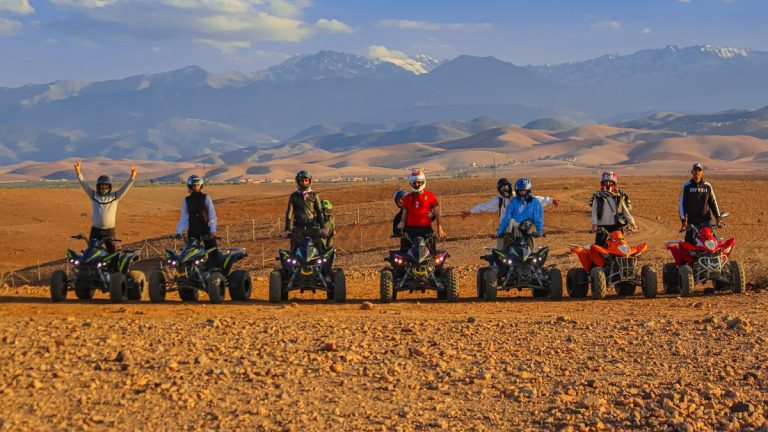
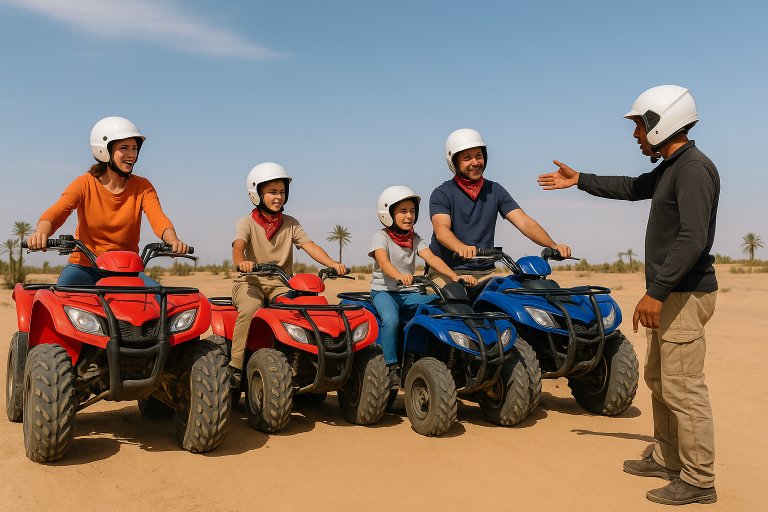
Agafay offers diverse activities beyond simply enjoying desert ambiance. Quad biking and buggy tours have become particularly popular, allowing you to explore extensive terrain relatively quickly while experiencing the thrill of off-road driving. These activities work well in Agafay’s rocky landscape, where vehicles can traverse trails without causing the environmental damage they might in sand dune areas. Professional operators provide equipment, safety briefing, and guides, making these adventures accessible to beginners while still exciting for experienced riders.
Quad Marrakech Tours typically last two to three hours, winding through rocky valleys, climbing hills for panoramic views, and often including stops at traditional villages where you can share tea with locals. The combination of adrenaline, stunning scenery, and cultural encounters creates a well-rounded experience that appeals to adventure seekers and culture enthusiasts alike. Some tours combine quad biking with camel rides, offering interesting contrasts between high-speed modern adventure and the traditional pace of desert travel.
Camel trekking in Agafay provides a more contemplative way to experience the landscape. Unlike the Sahara where camel caravans have centuries of tradition, Agafay’s camel tourism is relatively recent, yet it succeeds in offering authentic desert atmosphere. Treks range from short one-hour rides perfect for sunset viewing to longer half-day or full-day excursions that venture deep into the desert, visiting remote villages and rarely-seen viewpoints. The gentle swaying motion of camel travel, combined with the silence broken only by the animals’ footfalls and occasional grunts, creates a meditative experience that slows time and sharpens awareness of surroundings.
Horseback riding offers yet another perspective, allowing riders to cover more ground than walking while maintaining intimate connection with the environment. Several operators and camps offer guided horseback excursions suitable for various skill levels, from beginners who’ve never ridden to experienced equestrians seeking challenging terrain. Riding through Agafay at dawn or dusk, when temperatures are comfortable and light is magical, ranks among Morocco’s most memorable experiences.
Hiking and walking tours cater to those who prefer exploring under their own power. Despite appearing barren, Agafay harbors surprising biodiversity—hardy plants adapted to extreme conditions, insects and reptiles that emerge during cooler hours, birds of prey circling overhead, and mammals like foxes and jackals that shelter in rock crevices during daytime heat. Guided nature walks with knowledgeable locals reveal these hidden aspects of desert ecology while also covering geological formations, traditional land use, and cultural history. The physical challenge of walking in rocky, sometimes steep terrain is rewarded by the satisfaction of reaching viewpoints and the deep silence found in remote areas far from any human activity.
Sunset and Stargazing: Agafay’s Natural Spectacles
Agafay’s location, topography, and lack of light pollution create exceptional conditions for witnessing two of nature’s most reliable yet always awe-inspiring phenomena: sunset and stargazing. As day transitions to night, the stone desert becomes a theater where light, color, and shadow perform a slowly unfolding drama that never repeats exactly the same way twice.
Sunset in Agafay typically unfolds across 30-40 minutes of continuously shifting light. As the sun approaches the horizon, often partially obscured by distant Atlas peaks, the quality of light softens and warms. The rocky landscape, harsh and somewhat monotonous under midday sun, transforms into a study in subtle gradations of color—ochres, reds, purples, and golds appearing and intensifying. Shadows lengthen dramatically, emphasizing every contour and creating depth where earlier everything appeared flat. The sky itself becomes the main event—clouds, when present, ignite in brilliant oranges and pinks, while clear skies shift through a spectrum from blue to violet to deep purple.
Many camps and tour operators time their schedules specifically around sunset, positioning guests at optimal viewpoints with drinks and light snacks. The collective experience of watching the day end, shared with fellow travelers and perhaps local hosts, becomes a communal moment of appreciation and reflection. Conversation typically quiets as the sun disappears, and for several minutes afterward, people simply watch as residual light fades and the first stars appear.
As darkness deepens, Agafay reveals its greatest natural treasure: pristine night skies. Far enough from Marrakech’s light pollution yet accessible enough for comfortable travel, the desert offers stargazing conditions that urban dwellers rarely experience. The Milky Way stretches across the sky in a luminous band, countless stars emerge with intensities ranging from brilliant to barely perceptible, planets shine steadily rather than twinkle, and satellites occasionally trace straight lines across the celestial sphere. Shooting stars, especially during meteor shower periods, provide brief moments of excitement.
Many luxury camps employ astronomy guides or provide telescopes, allowing guests to observe planets, star clusters, nebulae, and galaxies. Even without equipment, simply lying on cushions or blankets and allowing your eyes to adapt to darkness reveals celestial wonders. Traditional Berber astronomical knowledge, when shared by local guides, adds cultural depth—stories about constellations, traditional methods of navigation and timekeeping, and beliefs about stars and planets that have guided desert peoples for millennia.
Combining Agafay with Other Experiences
Agafay’s proximity to Marrakech and location relative to other attractions makes it ideal for combination tours. A popular option links Agafay with Lalla Takerkoust Lake, creating a day that encompasses water, mountains, and desert. Morning might involve lakeside relaxation or water activities, lunch at a lakeside restaurant, then afternoon transition to Agafay for sunset and optional overnight camping.
The Palmeraie of Marrakech, though less wild than Agafay, offers complementary experiences. Some tours combine palmery exploration—perhaps via camel or quad bike through the date palm groves that surround Marrakech—with Agafay desert adventures, showing two very different landscapes in a single day. The contrast between the green oasis of the Palmeraie and the stark beauty of Agafay emphasizes Morocco’s geographical diversity.
For travelers with more time, multi-day itineraries might incorporate Agafay as an introduction to desert experiences before continuing to the Sahara, or as a final desert encounter before returning to Marrakech. This allows comparison between stone and sand deserts, each with distinct character and appeal. Some operators offer extended tours that include Agafay, Atlas mountain valleys like Ourika or Amizmiz, and coastal destinations like Essaouira, creating comprehensive Morocco overviews.
Culinary experiences have become increasingly associated with Agafay, with several operators offering desert dinners as standalone experiences. These typically involve transport from Marrakech for sunset arrival, drinks and appetizers while watching the light change, then multi-course Moroccan dinners served in traditional settings—perhaps Berber tents, around fires, or at tables arranged on carpets under the stars. Live music, often traditional Gnawa or Berber performances, accompanies meals. After dinner, stargazing, more music, or simply conversation around fires extends the evening before return transport to Marrakech.
Practical Information for Agafay Adventures
Agafay functions primarily as a day-trip or overnight destination from Marrakech, with most visitors arriving via organized tours or private transport. Public transport options are limited, making independent exploration challenging without a rental car or willingness to negotiate with taxi drivers. The short distance—30 to 50 minutes depending on your specific destination within the desert—means even half-day trips are feasible, though longer stays allow fuller appreciation and reduce rushed feelings.
Weather considerations matter significantly. Summer brings intense heat, with daytime temperatures often exceeding 40°C (104°F), making midday activities uncomfortable or dangerous. If visiting in summer, plan activities for early morning and evening, with midday hours spent in shade or air-conditioned accommodations. Spring and autumn offer ideal conditions—comfortable temperatures, clear skies, and the possibility of wildflowers after rare rains. Winter can be surprisingly cold, especially at night when temperatures may drop near freezing, requiring warm clothing, blankets, and heating in accommodations.
Appropriate clothing depends on season and activities. Lightweight, light-colored, loose-fitting clothing works best in warm weather, providing sun protection while allowing air circulation. Closed-toe shoes with good grip are essential for rocky terrain. Layers are crucial for winter or overnight stays when temperature swings are dramatic. Sun protection—sunscreen, sunglasses, and hats—is vital year-round, as desert sun is intense and reflected by light-colored rocks.
Bring adequate water, particularly if hiking or engaging in physical activities. Dehydration happens quickly in arid environments, especially when combined with altitude (Agafay sits at approximately 600-700 meters) and physical exertion. Most camps and tours provide water, but carrying your own ensures constant hydration. Snacks, though less critical if meals are included in your tour, can be useful for energy during longer activities.
Photography enthusiasts will find Agafay endlessly rewarding, with dramatic landscapes, interesting light conditions, and cultural subjects. However, always ask permission before photographing people, especially in traditional villages where privacy and modesty concerns may make locals uncomfortable with cameras. Offering to send photos (if you have their email or contact information) or showing them images on your camera screen can be appreciated gestures. Sunrise and sunset golden hours provide the most flattering light, while nighttime photography requires tripods and knowledge of long-exposure techniques to capture starscapes.
Conclusion: Beyond the Guidebook
These five hidden gem excursions—Ourika Valley with its cascading waterfalls and Berber villages, Amizmiz Valley’s untouched traditional communities, the serene waters and mountain backdrop of Lalla Takerkoust Lake, the high-altitude adventures and ancient rock art of Oukaimeden, and the stone desert landscapes of Agafay—represent just a fraction of what lies beyond Marrakech’s famous attractions. Each offers authentic encounters with Morocco’s diverse landscapes, rich cultural heritage, and warm-hearted people, far from the tourist crowds that concentrate in the city and at a handful of famous sites.
What makes these destinations truly special isn’t just their physical beauty, though all five deliver stunning scenery and memorable vistas. Rather, their value lies in the opportunities they provide for genuine connection—with nature, with history, with culture, and with people whose lives unfold according to rhythms very different from modern urban existence. Whether you’re sharing tea with a Berber family in their mountain home, discovering ancient petroglyphs on a high plateau, floating on an unexpected lake surrounded by arid hills, or watching stars emerge over a stone desert, these experiences transcend typical tourism.
Planning your exploration of these hidden gems requires some effort—most aren’t served by public transport, information can be limited, and you may need to arrange guides or drivers. Yet this effort pays dividends in experiences that feel like genuine discoveries rather than commodified attractions. You’ll return to Marrakech with stories and photos that differ from the typical Moroccan journey, with a deeper appreciation for the country’s complexity and diversity, and perhaps with connections to people and places that transform from destinations into memories that resonate for years.
Morocco rewards those who venture beyond the obvious, who embrace the unexpected, and who approach new experiences with openness and respect. These five excursions offer paths toward such rewards, inviting you to discover a Morocco that exists in the margins of guidebooks, waiting to be explored, appreciated, and treasured. Whether you choose one destination or all five, whether you spend a single day or multiple nights, you’ll discover that Marrakech’s surroundings hold treasures as valuable as anything within the city walls—treasures measured not in souvenirs purchased or monuments photographed, but in moments experienced, connections made, and perspectives transformed.